English EN Deutsch DE

Alexander Koch

Exhibitions

Exhibitions
Exhibitions
Exhibitions
Exhibitions
Exhibitions
Exhibitions
Exhibitions
Exhibitions
Exhibitions
Exhibitions
Exhibitions
Exhibitions
Exhibitions
Exhibitions
Exhibitions
Exhibitions
Exhibitions
Exhibitions
Exhibitions
Exhibitions
Exhibitions
Exhibitions
Exhibitions

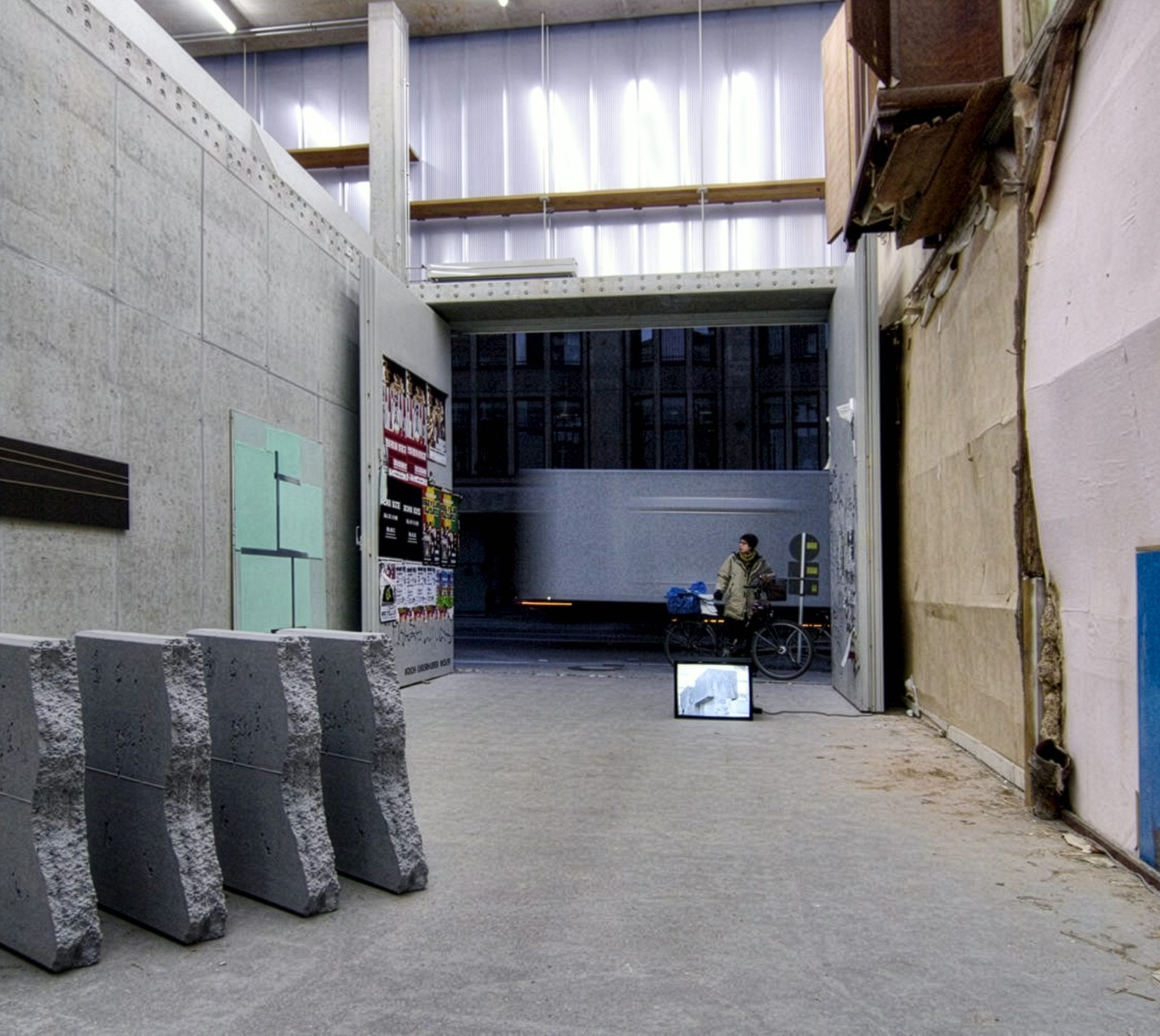
The way I organize exhibitions emerged from my artistic practice, which was oriented towards contextualism and institutional critique in the late nineties. The boundaries between artistic and curatorial forms and gestures became blurred at some point. The projects for which I was responsible (often in a duo with Nikolaus Oberhuber) could be described as author exhibitions: Gestures of Disappearance (Leipzig 2002, Bergen and Krakow 2015), Participatory Minimalism (2009), Antirepresentationalism 1-3 (Berlin 2009/2010), Believers (Berlin 2012) and others. But also when I’m further in the background, for example at gallery exhibitions of individual KOW artists, I have to understand why an exhibition is necessary and where it might want to go, even if it doesn’t know that yet…
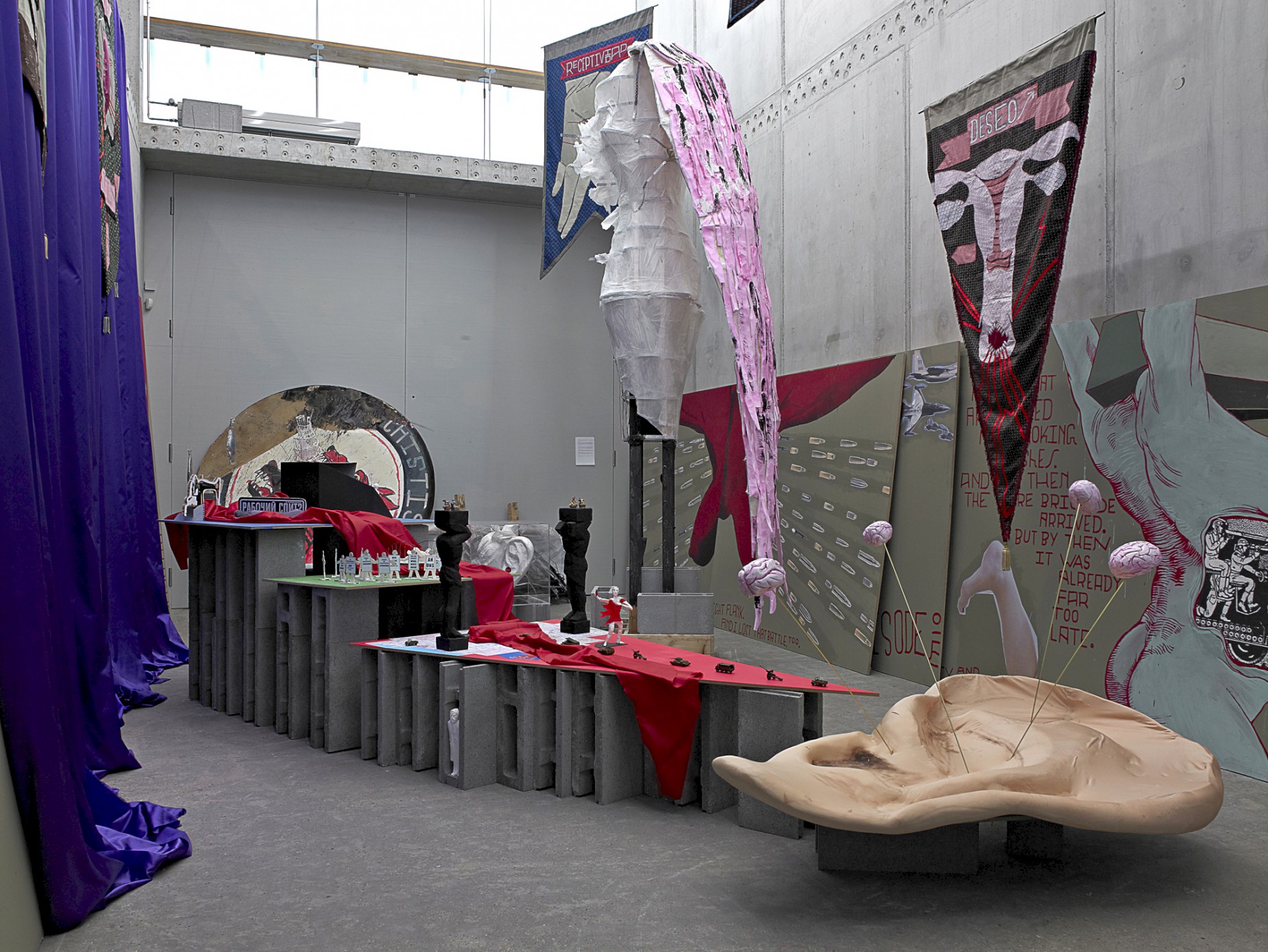
Exhibitions are an art in their own right and have to justify themselves anew each time. Some artists are outstanding exhibition makers. And sometimes I see things quite differently as a curator. Then forms and materials in the space can become the subject of real negotiation. Those are great moments. (Chto Delat, Time Capsule, 2015). Looking back, I have been involved in around 150 exhibitions so far, most of them projects by artists from the gallery in the KOW spaces.

2024

Vul|ne|ra|ble

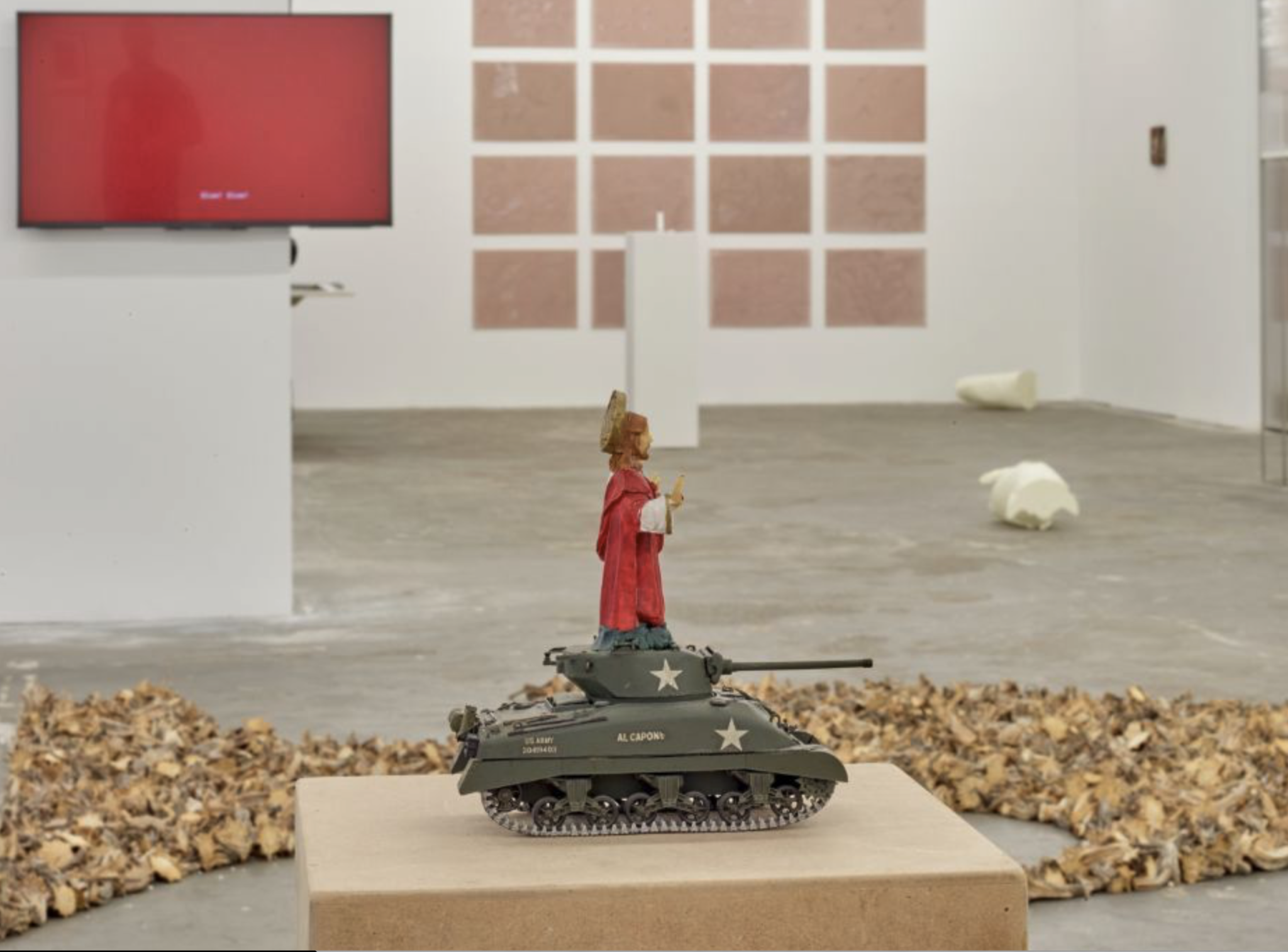
Amid turbulent times, we turn our attention to the delicate and vulnerable. With fragile and pensive works as well as ones that bristle with nervous energy, the exhibition probes the feeling of defenselessness and finds remarkable strength in creative stances that squarely confront the fact that human bodies and human-built orders are sensitive and open to attack. By turning the spotlight on their own and others’ vulnerabilities, the works in the exhibition create moments of empathy and allow us to touch on entrenched frontlines.

In the gallery’s street-facing windows, Chto Delat (RU) present 16 semaphore flags, a format they have borrowed from ocean shipping (2024). But the matching legend makes no reference to rules of navigation—the flags indicate states of mind, sending personal messages of exhaustion, self-care, and furious anger. All members of the Russian collective Chto … read more

2022

Das Auto Rosi Aber

KOW Berlin

With Anna Boghiguian, Candice Breitz, Marco A. Castillo, Alice Creischer, Chto Delat, Heinrich Dunst, Anna Ehrenstein, Peter Friedl, Sophie Gogl, Clegg & Guttmann, Barbara Hammer, Hiwa K, Simon Lehner, Renzo Martens, Oswald Oberhuber, Mario Pfeifer, Santiago Sierra, Michael E. Smith, Franz Erhard Walther, curated by Alexander Koch and Nikolaus Oberhuber

And so there it falls into the funnel of meaning-making, the work of art, sucked in by the process in which media, politics, and society manufacture opinions. Faster and faster it corkscrews downward, the work of art, toward the one point that is its inevitable destination, the one possible exit: there it comes! Yes, there it is. The message.

We’ve heard a lot in 2022 about which message works of art send, what they mean to say and do. Squeezed like lemons … read more

2019

Clegg & Guttmann und Franz Erhard Walther

KOW Berlin

Clegg & Guttmann and Franz Erhard Walther

People need rules. Following rules is a social, political, and economic imperative. We like some and resent others; we make them, bend them, break them. The three artists we present have long investigated how rules operate, how they exert power over us, as well as how to understand them better, game them, or come up with new ones. They have different perspectives on rules and ideas on how to mold, twist, or dismantle them. But they share a critical and playful approach to what we might call the snares of participatory cultures, lured by the democratic promise of autonomy within the norms established by a society that has institutionalized mutual support. If you’re a fan of the concept of social participation, the exhibition is an entertaining study in how this … read more

2019

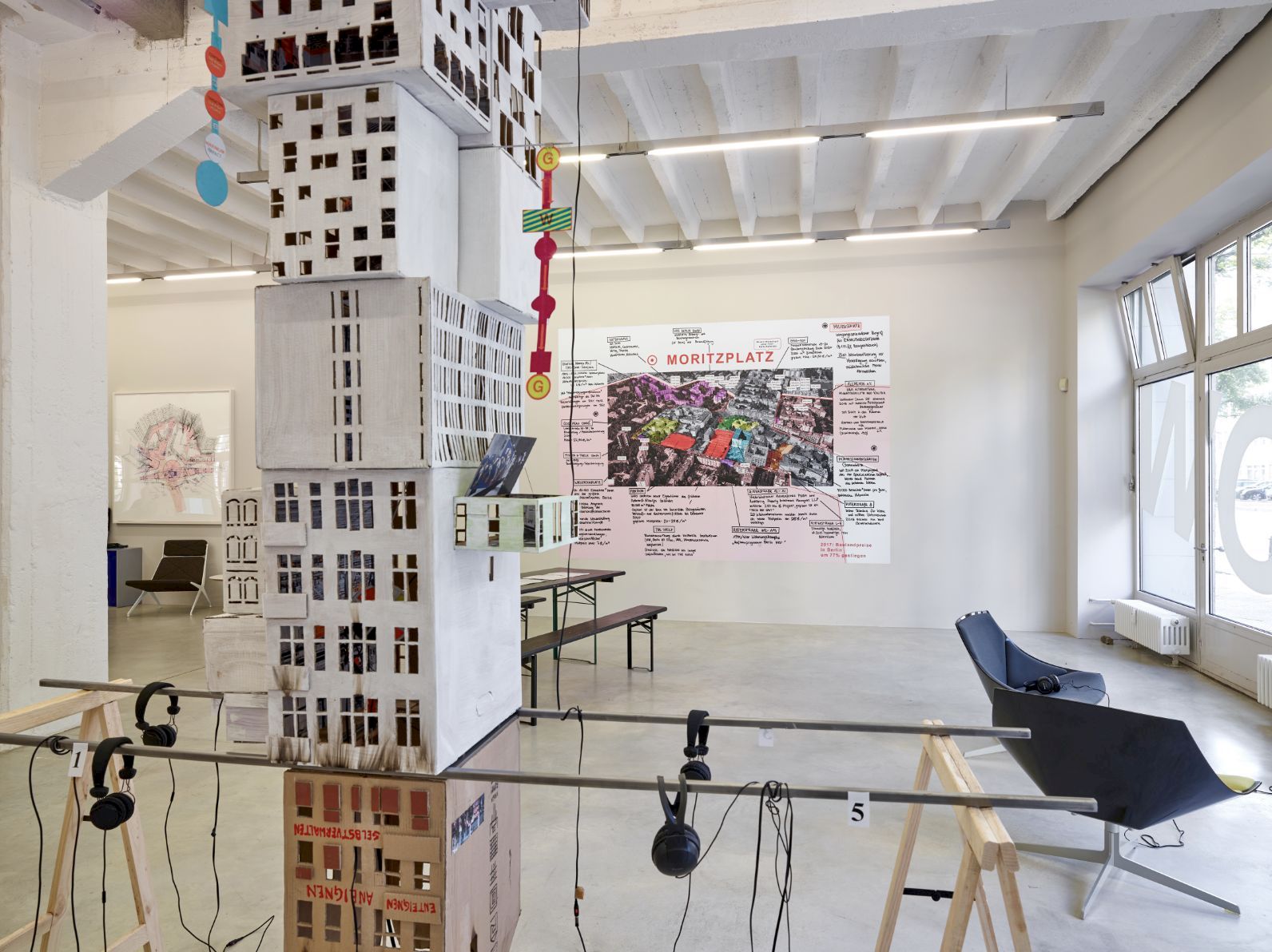
Stadtschlawinereien

KOW Berlin

With Alice Creischer, Dierk Schmidt, Michael E. Smith, Brandlhuber+, Larissa Fassler, Adelita Husni-Bey, Peng!, Andrea Pichl, Andreas Siekmann, Bárbara Wagner & Benjamin de Burca, Weekend & Plaste, curated by Alexander Koch and Nikolaus Oberhuber

It would be funny if it weren’t so sad: humans invented cities so they could live safe and self-determined lives together and fend off assaults from outsiders—and now they find themselves conned and disempowered in the heart of their cities and hustled to the peripheries. By neo-feudal mega-schemes, global corporations, real-estate speculators, and other trojans. And, lest we forget, the true local patriots, the nationalist street sweepers, have gotten in on the hustling.

The city is no longer safe for its citizens. Not because … read more

2019

Speaking Images

Fluentum Collection Berlin

With Patty Chang, Frank Heath, Hiwa K, Adelita Husni-Bey, Sven Johne, Ferhat Özgür, Stefan Panhans, Martin Skauen, Hito Steyerl, Vibeke Tandberg, Ignacio Uriarte, Katarina Zdjelar, curated by Alexander Koch and Nikolaus Oberhuber

Moving images are the principal medium of the present. Videos, films, 3D animations, virtual worlds are also the defining formats of contemporary art. The political dimensions of our own lives, social challenges, cruelties ancient and recent, the great questions of who we are and who we might yet be—all these manifest themselves with unrivaled lucidity on the screens and monitors that are the visual signature of this time of wrenching changes.

But moving images do not just show—they also speak. It hardly needs to be said that films are essentially works of … read more

2018

The Fuel of Your Lives Becomes Ashes in Ours

KOW Berlin

With Alice Creischer, Henrike Naumann, Mario Pfeifer, Michael E. Smith, Tobias Zielony, curated by Alexander Koch and Nikolaus Oberhuber

In light of recent events, KOW has changed its programming on very short notice and put together an exhibition to throw a spotlight on the swing to the right in Germany. The gallery and the contributing artists want to take a stance at a time when political—and, for more and more people, everyday—life is turning into a nightmare. We want to stand with all those who fight back against this development.

In its more lucid moments, the public debate over the new tip of the radical right-wing iceberg—Chemnitz, Saxony—touches on the insight that the social discord that has erupted and the neo-national mindset behind it are intolerable but by … read more

Art Fairs
Art Fairs
Art Fairs
Art Fairs
Art Fairs
Art Fairs
Art Fairs
Art Fairs
Art Fairs
Art Fairs

2010–2016

Art Fairs

International Art Fairs

In the early years of the gallery, we did everything ourselves—often under adventurous conditions. What truly made a difference was approaching the booths as public appearances, as exhibitions, and as statements. Within the laboratory-like setting of a fair booth, there’s room to play with conventions. We have participated at fairs in Basel, Brussels, Cologne, Düsseldorf, London, Madrid, New York, Paris, Torino.

2016

Out Of The Dark

KOW Berlin

With Chto Delat, Alice Creischer, Eugenio Dittborn, Heinrich Dunst, Barbara Hammer, Ramon Haze, Hiwa K, Renzo Martens, Chris Martin, Frédéric Moser & Philippe Schwinger, Mario Pfeifer, Dierk Schmidt, Tina Schulz, Michael E. Smith, Franz Erhard Walther, Clemens von Wedemeyer, Tobias Zielony, curated by Alexander Koch and Nikolaus Oberhuber

Most art stays in the dark. It slumbers in storage, rests in graphic-art cabinets, enjoys the climate-controlled environment in free port warehouses and museum basements, or catches dust up in the attic. Now and then a few pieces come to light, but what feels like 90 percent of the art in public and private collections is under lock and key, most of it permanently.

KOW is no exception to the rule, though the art we keep at … read more

2015

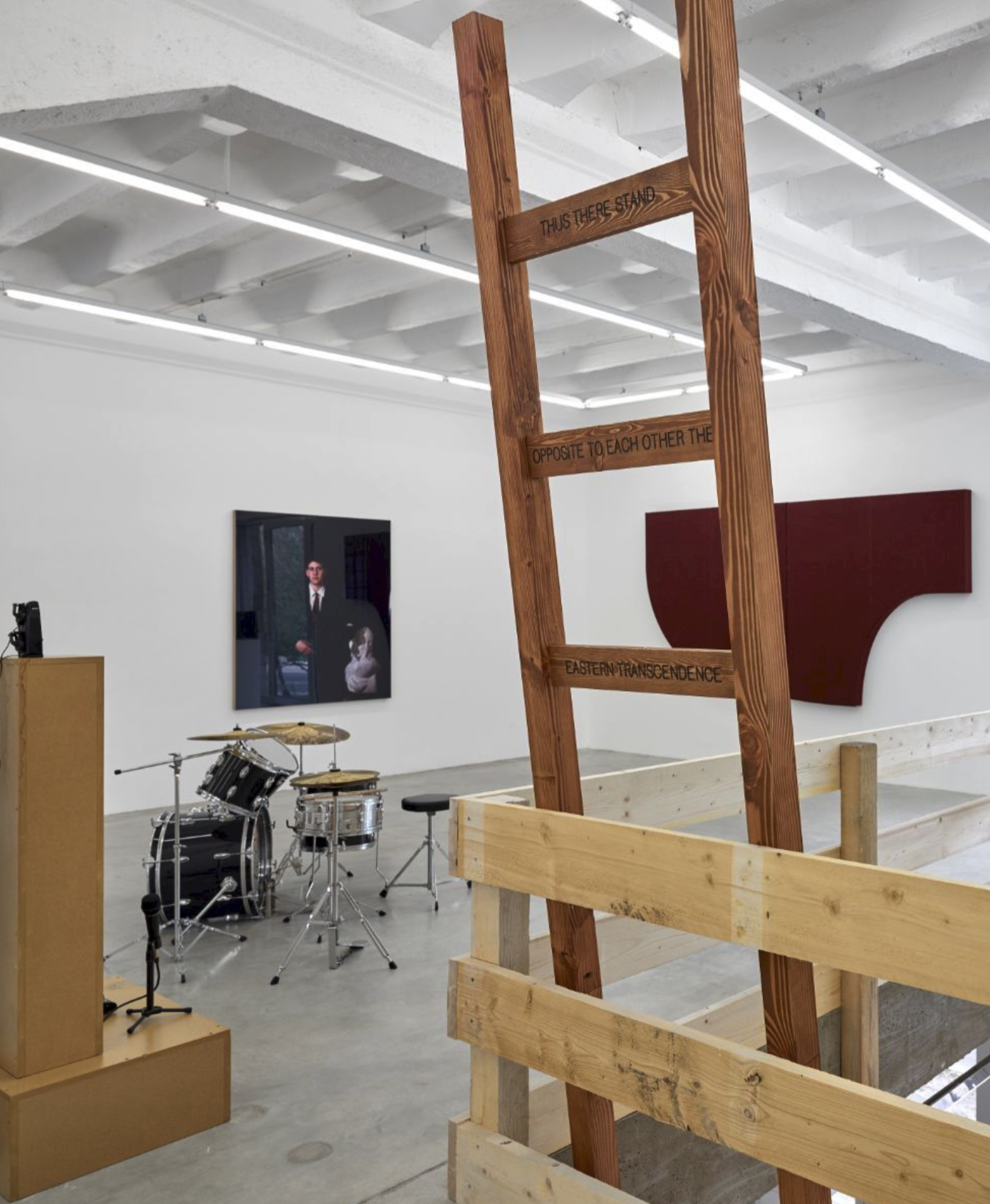
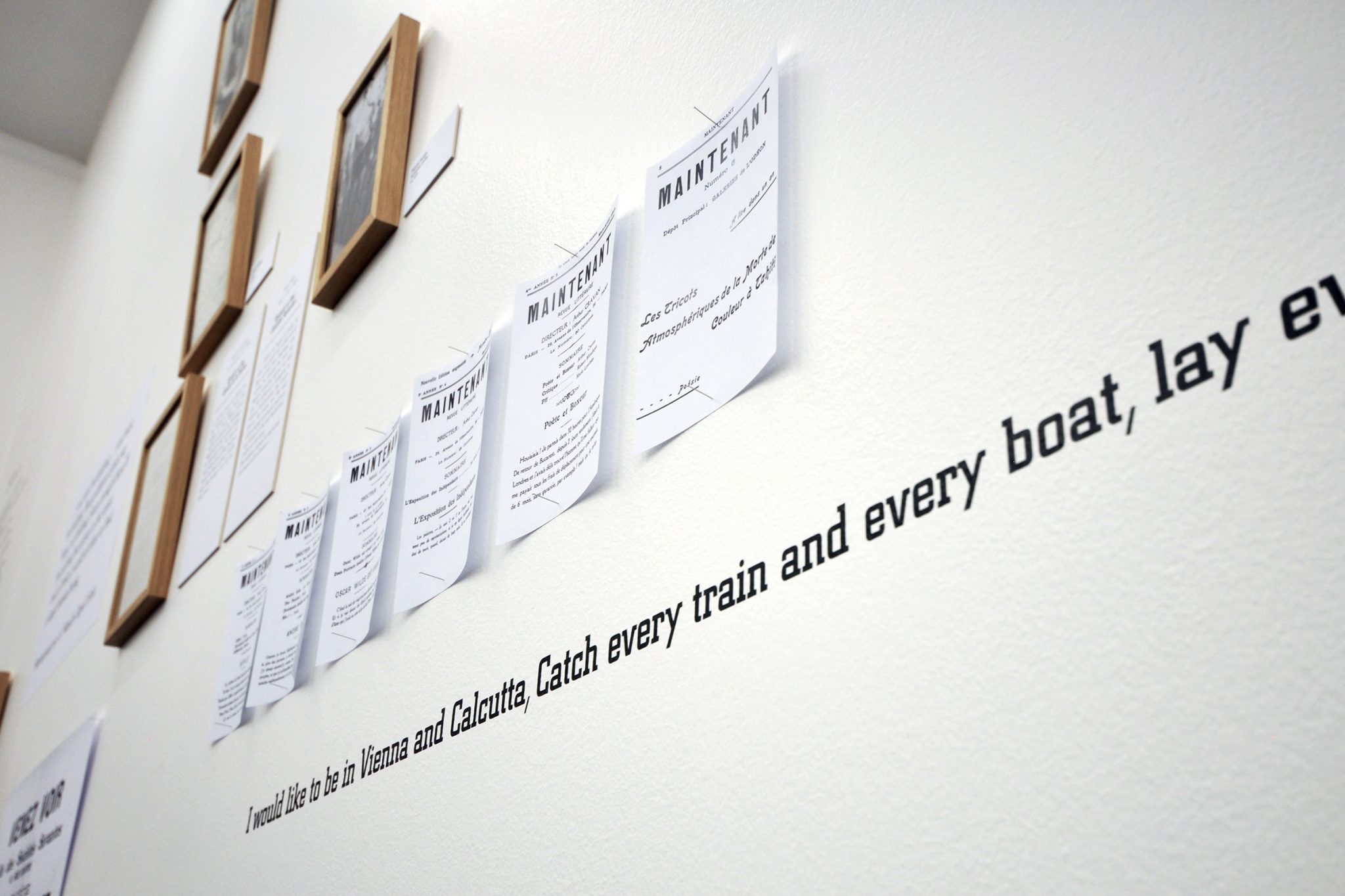
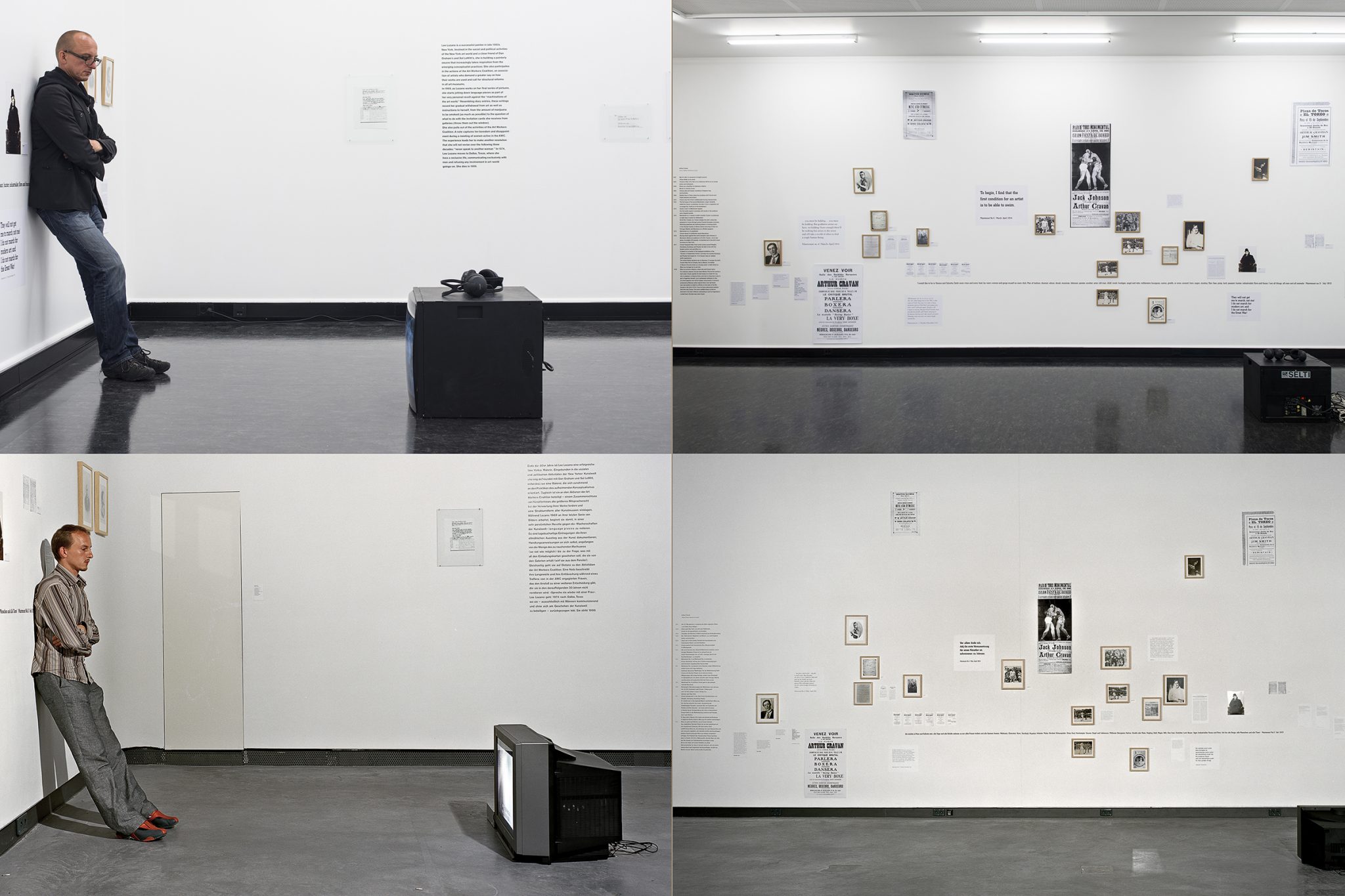
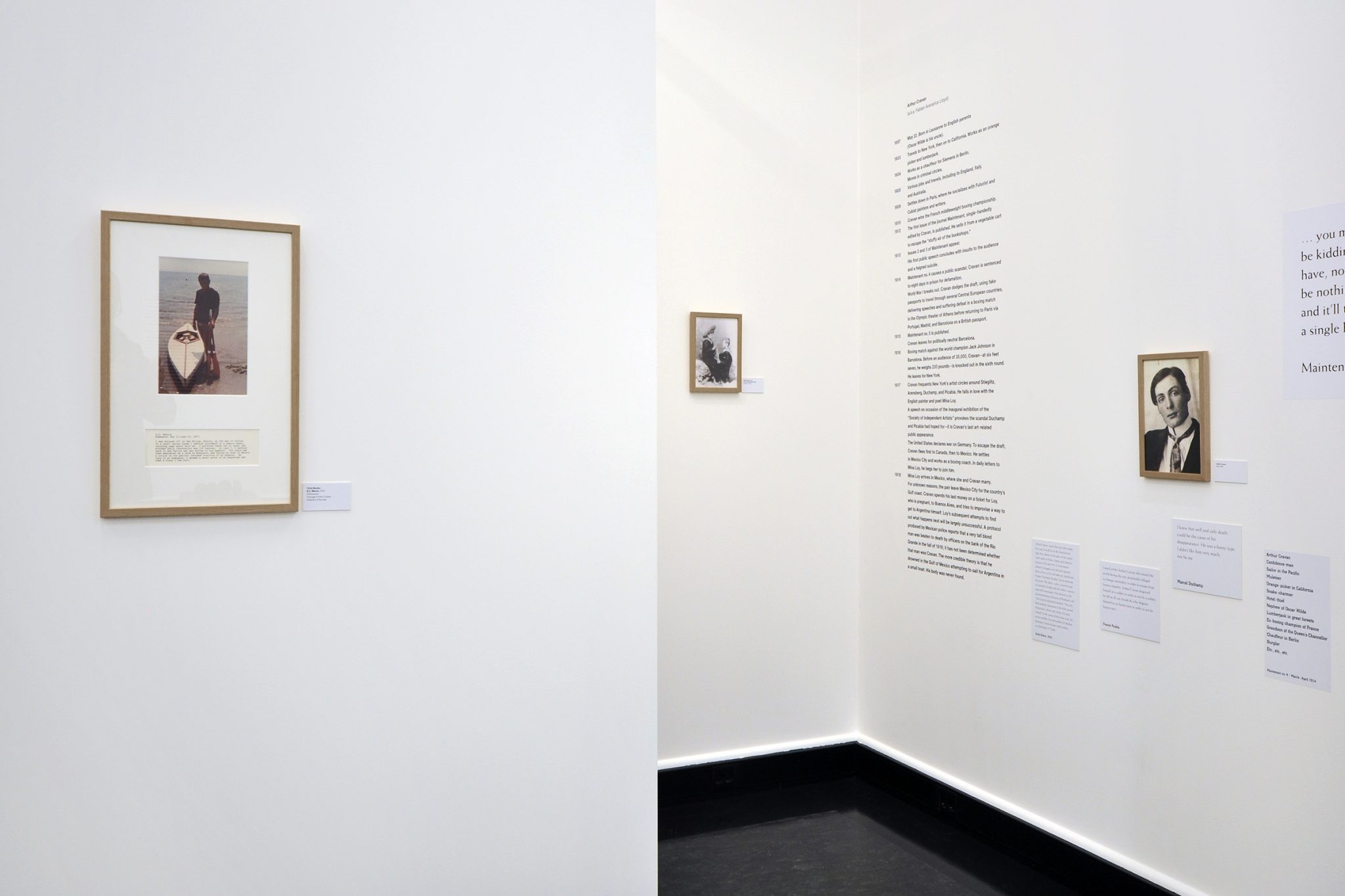
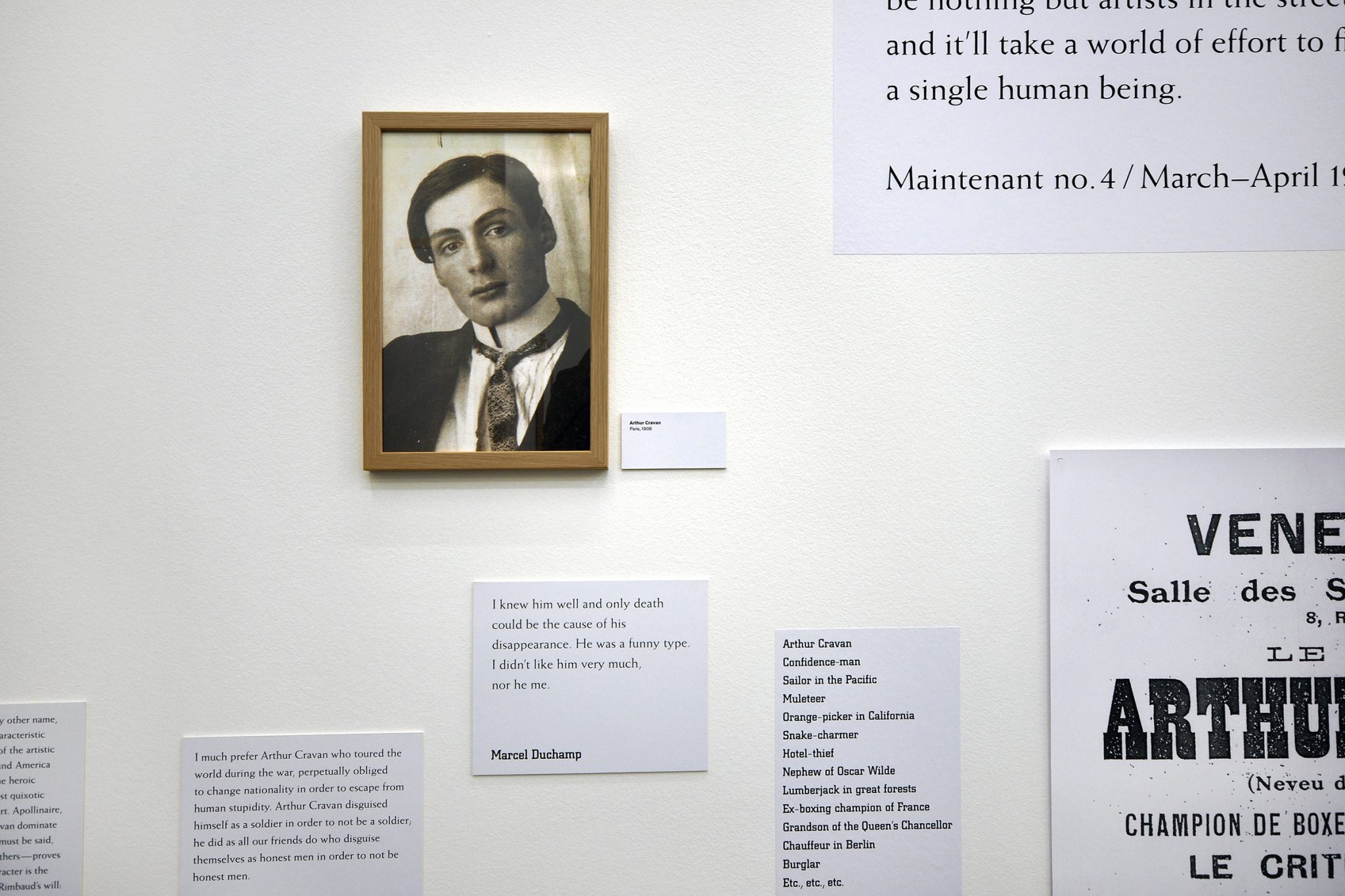
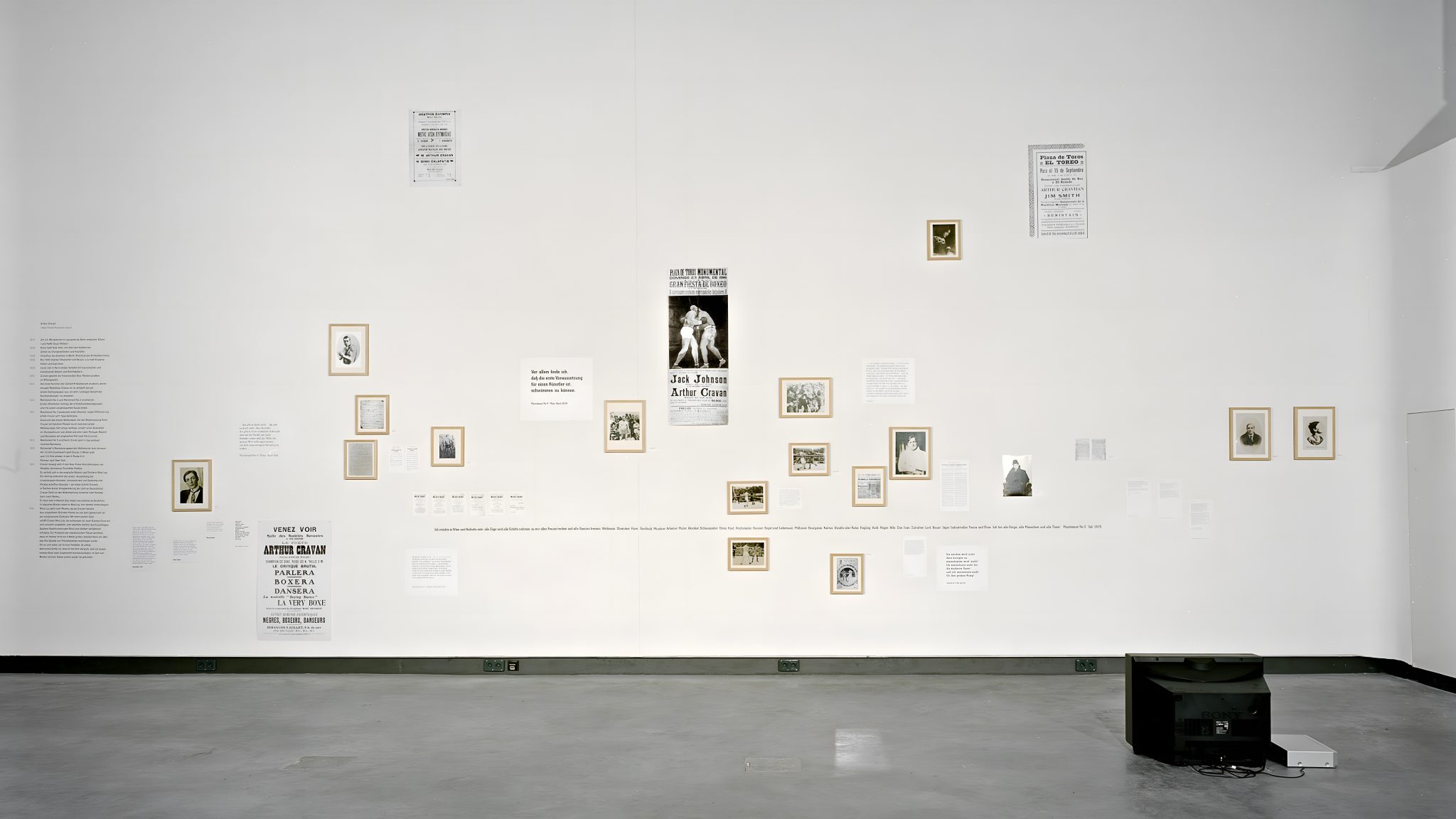
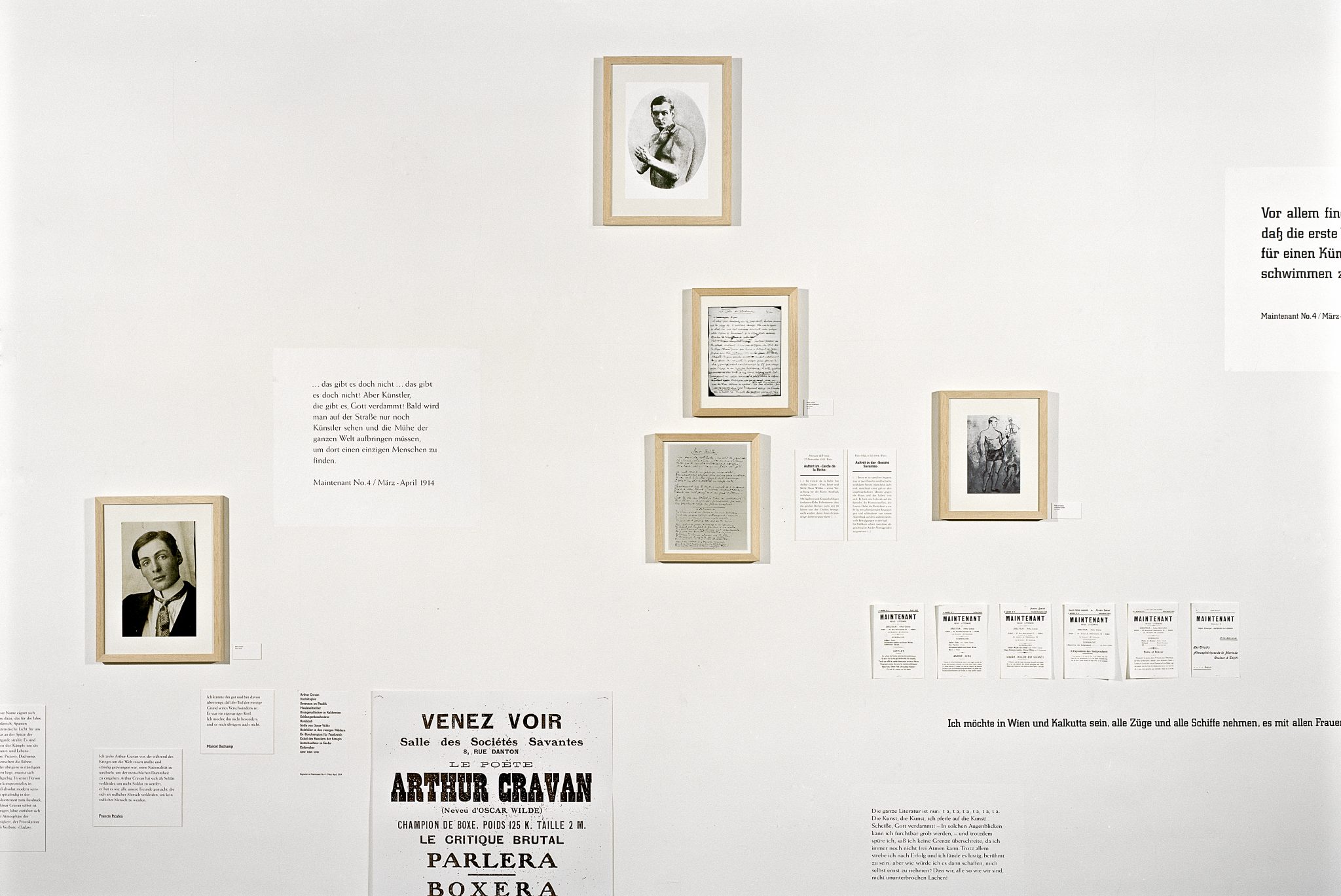
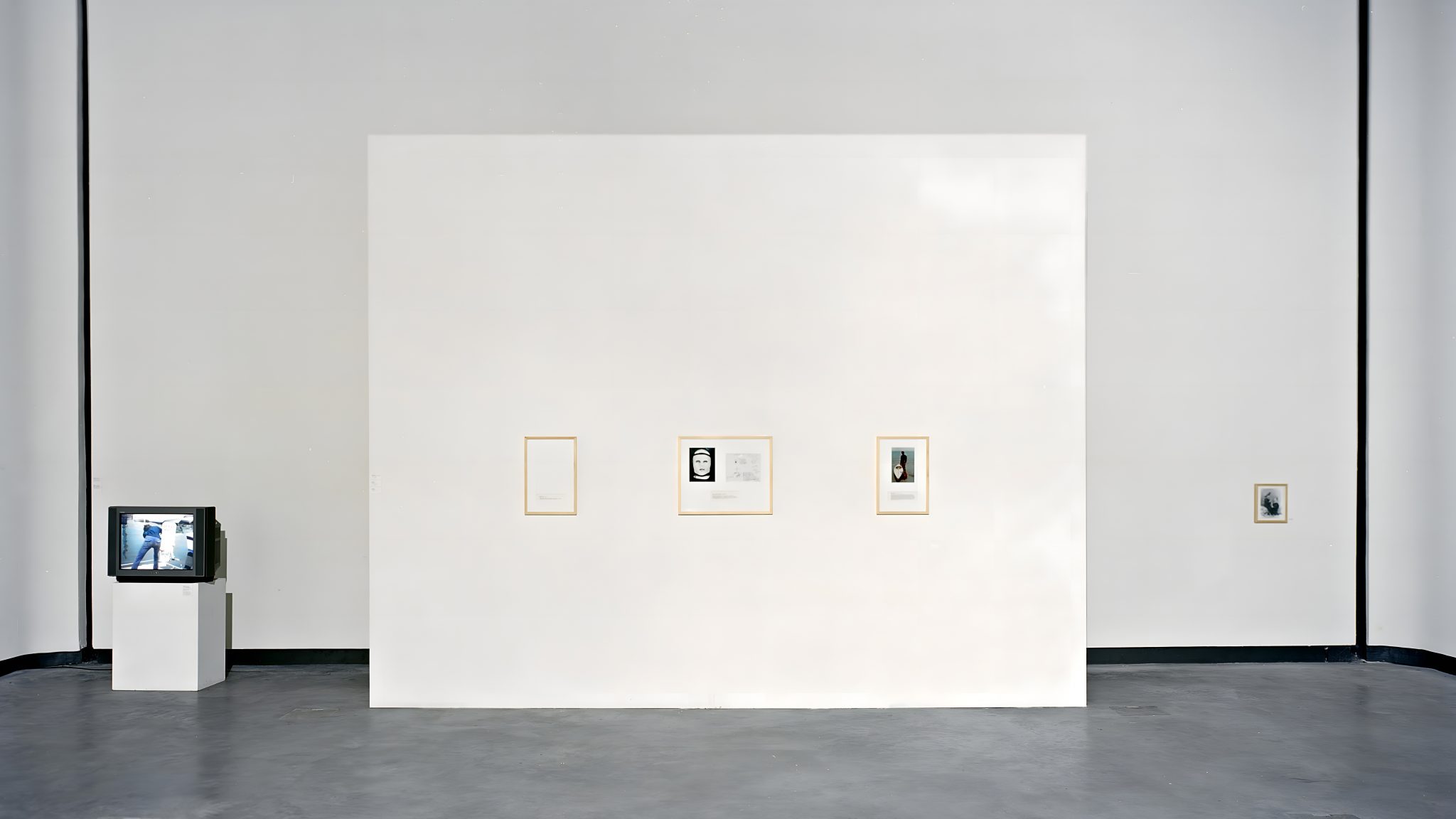
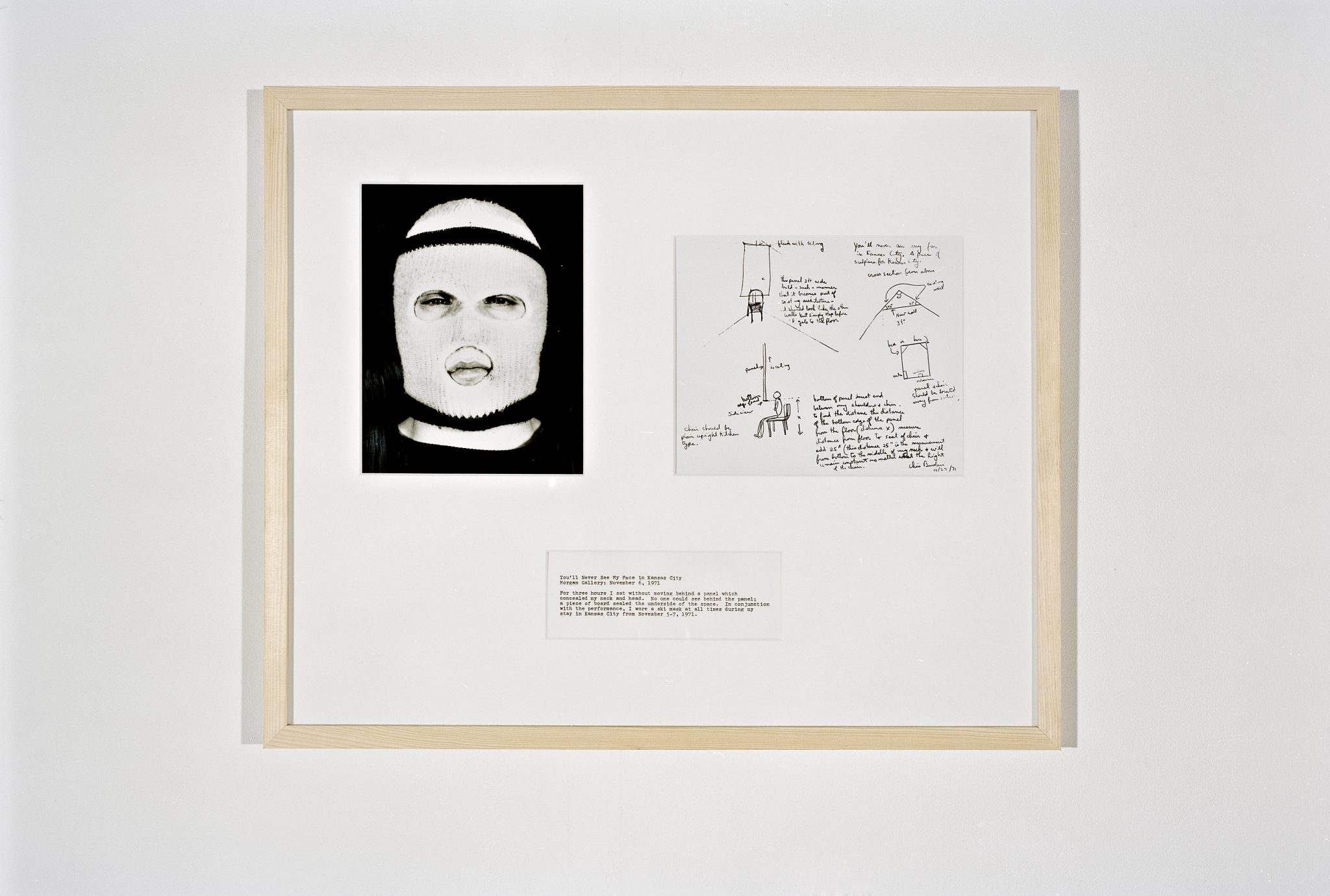
Gestures of Disappearance

Bergen Kunsthall, Norway Bunkier Sztuki Kraków, Poland

With Arthur Cravan, Lee Lozano, Bas Jan Ader, Chris Burden, curated by Alexander Koch

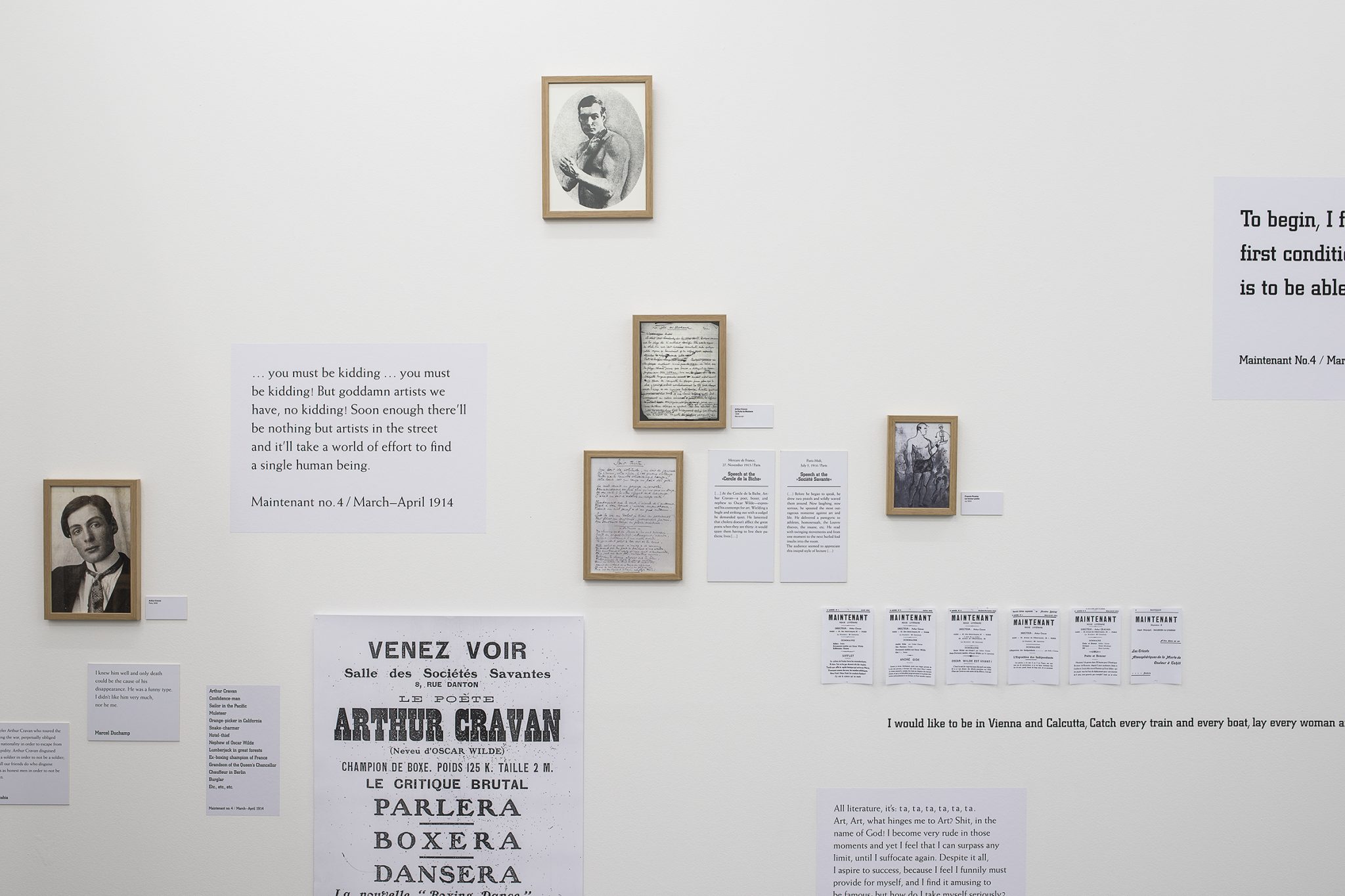
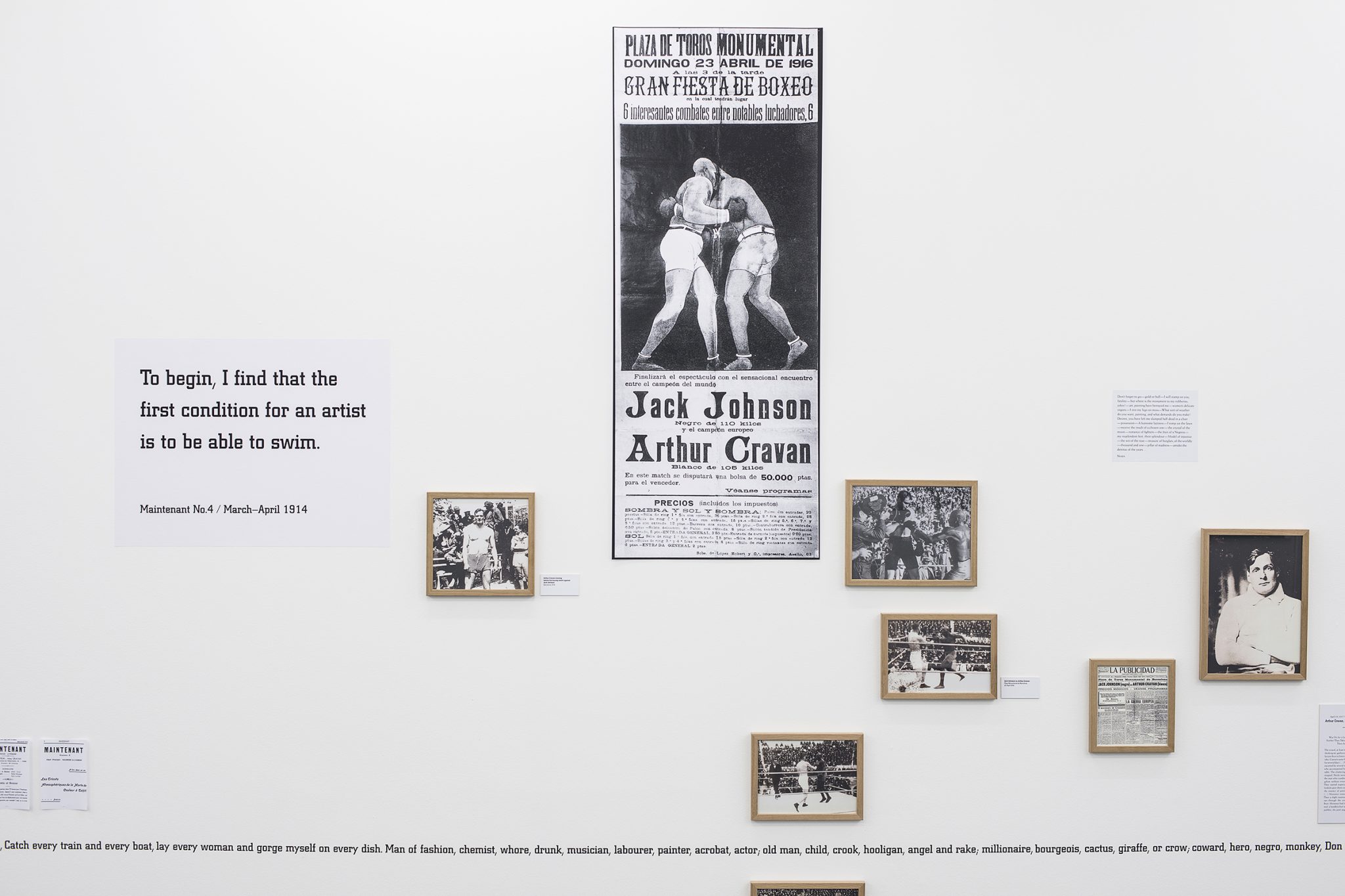
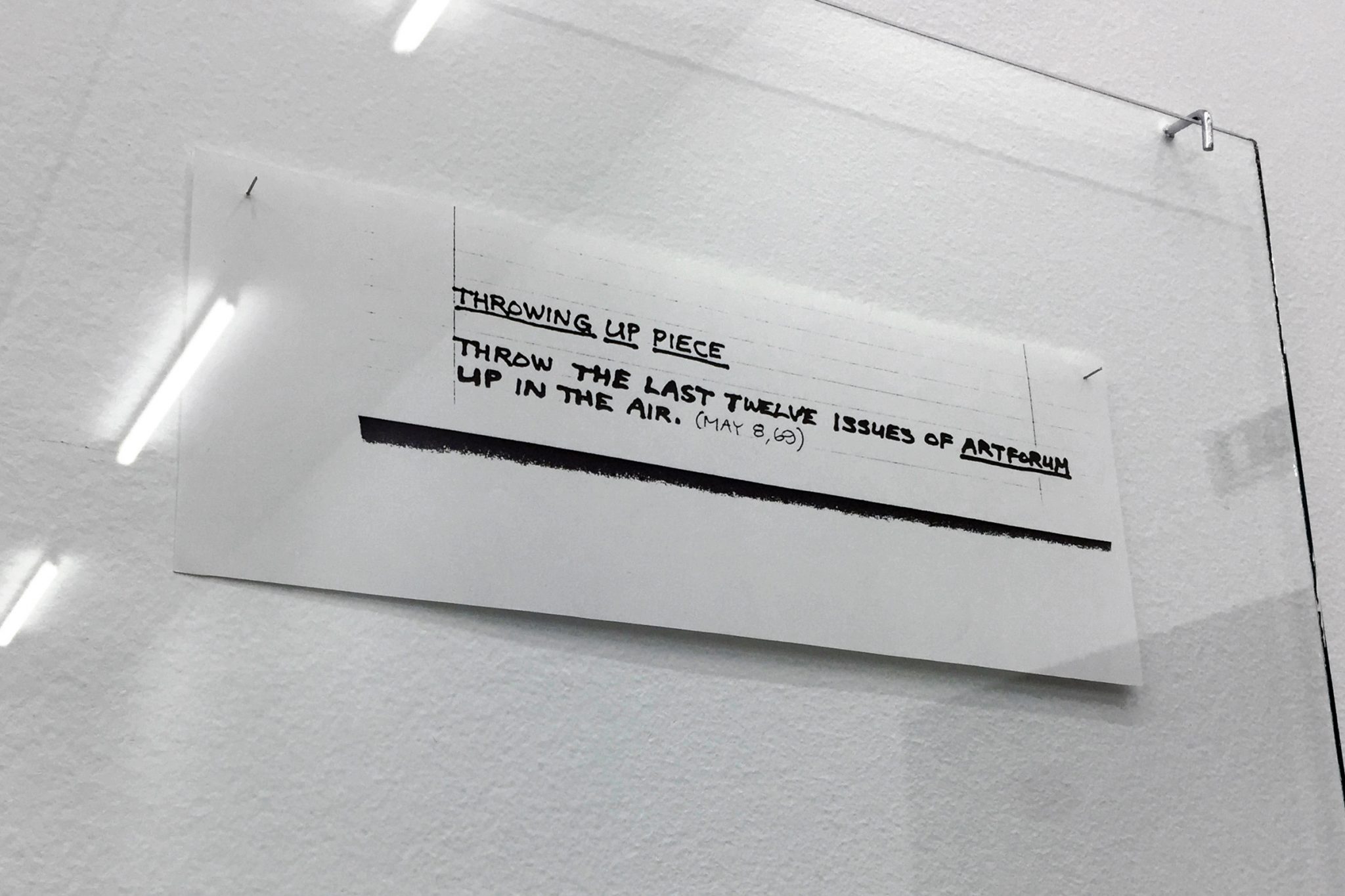
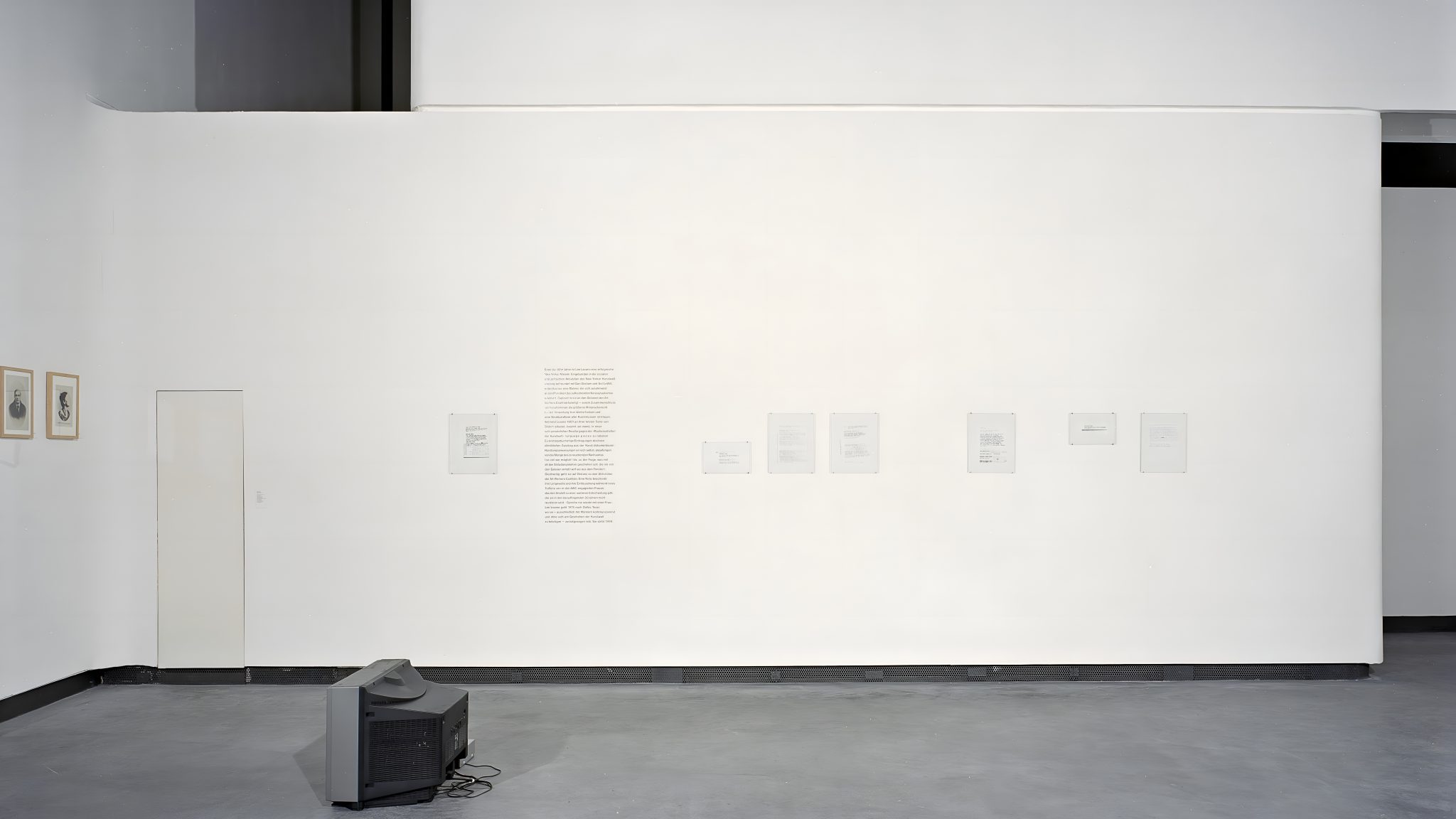
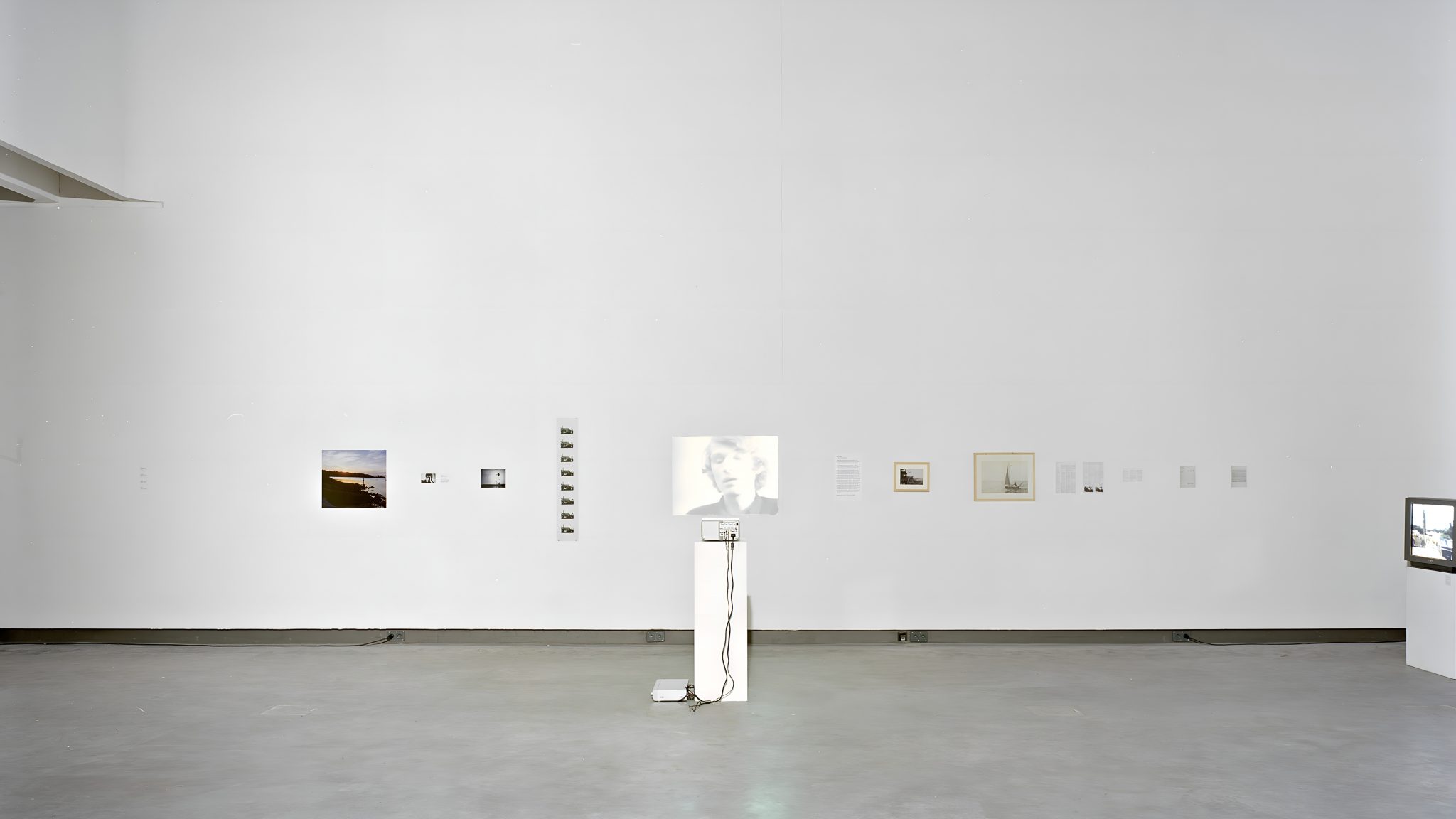
It was a stroke of luck for me that the Art Hall Bergen had an ambitious program, reconstructing historical exhibitions (series "NO.5" thanks to Martin Clark and Steinar Sekkingstad). I was invited to fully restore and show my exhibition from 2002, which had been so important to me but had attracted little audience in Leipzig. I still had the data on old DVs – in fact, the exhibition had consisted almost entirely of reproductions, copies, and text panels. To my surprise, the reconstruction looked almost identical. From Bergen, the exhibition traveled to Krakow. The spatial conditions there were very different, so I improvised a new hanging arrangement on site. … read more

2015

Time Capsule – Artistic Report on Catastrophes and Utopia. Chto Delat

KOW Berlin

Curated by Alexander Koch

The events of recent months have confronted the Russian artist collective Chto Delat with a changed reality: “A new Cold War atmosphere, an escalating search for enemies, ever-tighter repression of all dissent, and an open military confrontation with Ukraine leaving thousands of dead on both sides.”(1) Now the Saint Petersburg-based Chto Delat (the name means “What Is to Be Done?”) explore “what art could be at a moment when familiar politics and everyday life start falling apart (…) audiences vanish, activist groups implode and actually getting anything done becomes impossible.”

They conclude: “We lost. We are excluded from this society, in which 80 percent of the population supports the war.” In their first exhibition at KOW – a modified version of their … read more

2012

Arno Brandlhuber: Im Archipel

KOW Berlin

Built structures (architecture and urban planning) shape social relations, and they present an unambiguous trend: homogenization. Urban environments that used to be shared or that would have lent themselves to sharing in the future are now being subdivided into the niches of social Darwinism. Like and like congregate on urban islands clearly staggered according to income classes.

In Berlin, where heterogeneity was once a defining feature of the urban fabric, it is especially evident that the reorganization of the city serves the redistribution of participation in social life: a wealthy clientele takes possession of the central areas around prestigious new residential developments, displacing to the periphery all those who cannot, or do not want to, keep upping the ante. Social archipelagos … read more

2012

Believers

KOW Berlin

With Alice Creischer, Chto Delat, Barbara Hammer, Frédéric Moser & Philippe Schwinger, Michael E. Smith, Franz Erhard Walther, Tobias Zielony, Zanny Begg, Joseph Beuys, Arno Brandlhuber, Ines Doujak, Philippe Halsman, Adrian Piper, Pussy Riot, Christoph Schlingensief, Andreas Siekmann, Santiago Sierra, Andreas Slominski, Sean Snyder Curated by Alexander Koch and Nikolaus Oberhuber

The right to blasphemy should become a human right. The special right to the protection of religious sentiments, by contrast, should not. Trampling on such feelings is not a very empathetic thing to do, but the fact that they seem to be particular sensitive is not the fault of those who do not share that sensitivity.

Everyone is free to keep Golden Calves in the privacy of … read more

2011

Barbara Hammer

KOW Berlin

Curated by Alexander Koch and Nikolaus Oberhuber

The documentary and experimental films of Barbara Hammer are considered among the earliest and most extensive representations of lesbian identity, love, and sexuality.

To date, Hammer’s work has received little attention from the art world. Yet film retrospectives at New York’s MoMA (2010) and the Tate Modern, London, (2012) are now recalling the artist, who was born in Hollywood in 1939, as a pioneer of queer cinema who made decisive contributions to feminism and gay liberation as well as avant-garde cinema and performance art. On the occasion of Hammer’s eighth participation in the Berlin International Film Festival, we are pleased to present the first ever-solo show of her work, with a focus on the 1970s. … read more

2011

Cady Noland, Santiago Sierra. Social Violence

KOW Berlin

Curated by Alexander Koch and Nikolaus Oberhuber

In Cady Noland and Santiago Sierra, we are bringing two artists together who regard social violence not as a departure from social normality but as an expression of the normative form of rule and economic system we all implicitly support: capitalism and liberalism. That has not always made their art easily digestible to the public.

In the 1980s, Noland provoked observers by denouncing the myth of the self-determination of US-Americans and their love of freedom as an imperialist gesture. Sierra was accused of criticizing the humiliating instruments of capitalist domination by merely mirroring them in his own artistic practice, effectively turning the victims of social violence into victims also of his art and inflicting a second humiliation on … read more

2010

Franz Erhard Walther

KOW Berlin

Curated by Alexander Koch and Nikolaus Oberhuber

The work of Franz Erhard Walther has attracted critical attention since the mid 1960s. It becomes increasingly apparent not only how much he contributed to the development of an action-oriented concept of art in the second half of the 20th century, but also how his position continues to serve younger artists as inspiration.

The notion that one is permitted to look at art but not touch it, that there is some impregnable boundary between a work of art and our physical selves, our demeanor, our social roles, continues to provoke opposition. Walther was one of the forerunners in this protest, an exponent of a relational aesthetic avant la lettre, one that takes into account the physical nature of the work of art on a substantial level. … read more

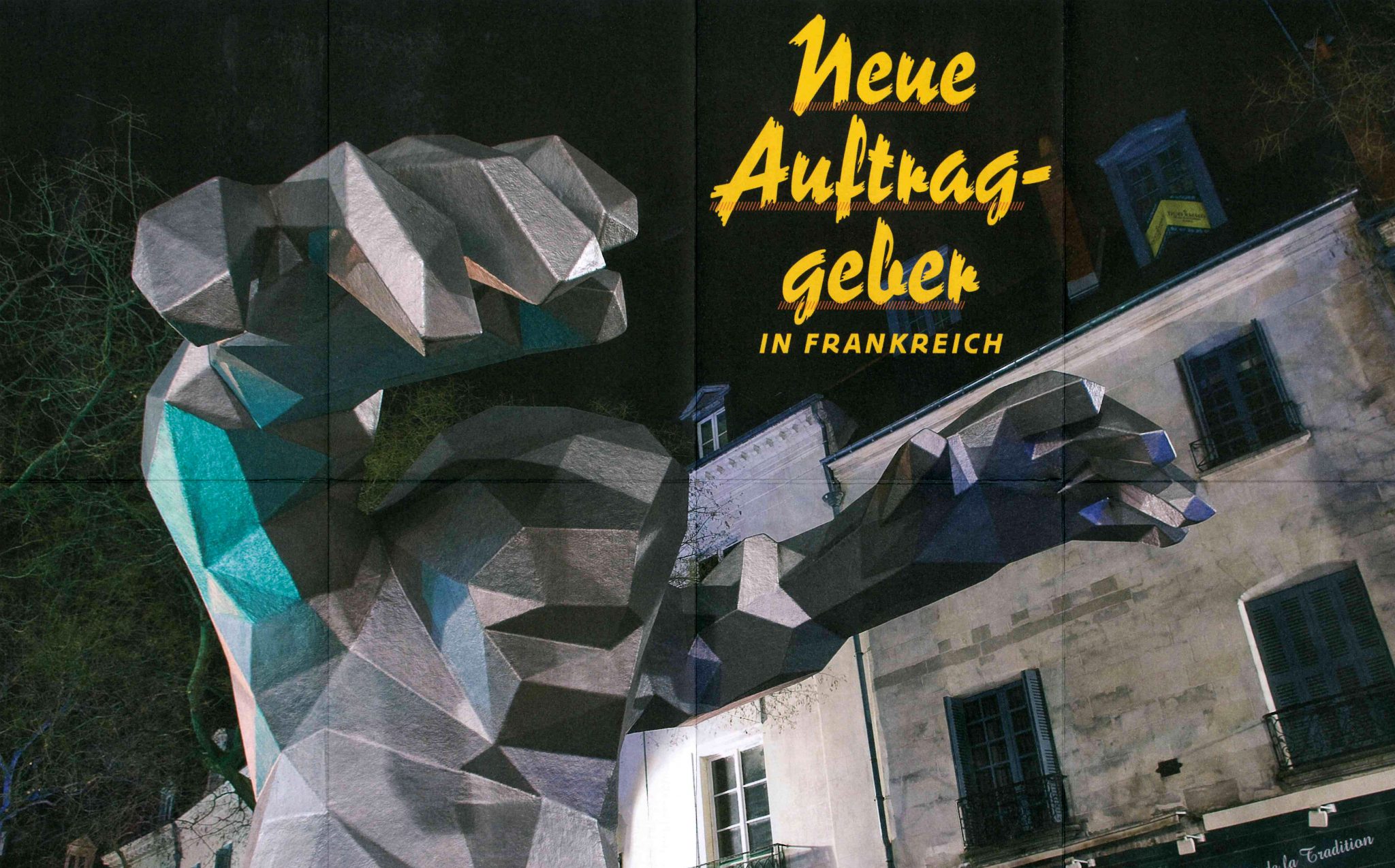
“Nouveaux Commanditaires” in France

2010

“Nouveaux Commanditaires” in France

Galerie für zeitgenössische Kunst Leipzig

With Studio Acconci, Steven Gontarsky, Tadashi Kawamata, Michelangelo Pistoletto, Alain Séchas, Xavier Veilhan, Rémy Zaugg, curated by Alexander Koch, Ilina Koralova and Barbara Steiner

2009/2010

Antirepresentationalism. Conceptual and Socially Oriented Art in Leipzig 1997–2009

KOW Berlin

With Ramon Haze, Mario Pfeifer, Tina Schulz, Clemens von Wedemeyer, Tobias Zielony, Peggy Buth, Famed, Markus Dressen, Andreas Grahl, Henriette Grahnert, Eiko Grimmberg/ Arthur Zalewski, Mark Hamilton, Ramon Haze, Oliver Kossack, Claudia Annette Maier, Ulrich Polster, Julius Popp, schau-vogel-schau (Marcel Bühler, Alexander Koch), Julia Schmidt, Tilo Schulz, spector cut+paste, Christoph Weber, curated by Alexander Koch and Nikolaus Oberhuber

20 years after the fall of the Berlin Wall, we sum up the development of conceptual and socially oriented art in Leipzig since the end of the nineties. Three consecutive exhibitions bring together 28 artists, graphic designers and collectives. We call for a nuanced discussion on the societal change and its artistic resonance in the second decade after … read more

2009

Partizipatorischer Minimalismus: Franz Erhard Walther

KOW Berlin

Mit Franz Erhard Walther, kuratiert von Alexander Koch und Nikolaus Oberhuber

KOW ISSUE 1 shows the 11-Meter-Bahn, one of the most prominent objects from Franz Erhard Walther’s 1. Workset – developed between 1963 and 1969 and a classic among the German post-war art – and portrays the history of its utilization. Walther proposed to no longer conceptualize art independently from its application by a public and assign its users co-authorship on the form and meaning of artworks. He became an early exponent of process-related and participatory art.

Walther’s proposal is still a design to counter the habitual way of dealing with art, which is to seek for the aesthetic and the economic value of an art piece in its “out-standing” object quality or peculiarity, rather than in the social … read more

2004

Der Sprung im Wasserglas. Verfahren im Raum

Kunstraum B/2, Leipzig

Mit Peggy Buth, Chat, Bertram Haude, Evelyn Jahns, Stephanie Kiwitt, Hans-Christian Lotz, Thomas Lüer, Regine Müller-Waldeck, Julius Popp, Michael Schade, Sascha Schniotalla, Tina Schulz, Andreas Schulze, Jens Volz, Christoph Weber, Clemens von Wedemeyer, Arthur Zalewski, kuratiert von Alexander Koch und Ulrike Kremeier

Die Konstruktion von Raum ist elementare Praxis, als grundlegende Kategorien alltäglichen Lebens ebenso wie in der künstlerischen Produktion. Die Weisen der Konstruiertheit des Räumlichen sind Konstitutiven der Wahrnehmung von Identität und Differenz. Raum schaffen meint, die relationalen Gefüge bestimmen, in denen soziale, diskursive , urbane, ästhetische Wirklichkeit wie auch deren Repräsentation stattfindet: Dispositive subjektiven und gesellschaftlichen Handelns. … read more

Galerie Jocelyn Wolff Paris

Galerie Jocelyn Wolff Paris

Our first exhibitions featured artists such as Clemens von Wedemeyer, Christoph Weber, Ulrich Polster, Julius Popp, Prinz Gholam, and Norbert Bisky, with whom I had already been connected in Leipzig and Berlin. It was a very fruitful time and collaboration. In 2007, I withdrew from the project. Jocelyn Wolff then introduced me to Nikolaus Oberhuber—together we went on to co-found KOW in Berlin.

https://www.galeriewolff.com

2002/2003

be creative! Der kreative Imperativ

Galerie der Hochschule für Grafik und Buchkunst Leipzig

Projektleitung: Beatrice von Bismarck, Alexander Koch und Marion von Osten (Leipzig, Berlin, Zürich) Mit Sabine Falk, Britt Schlehahn, Sascha Schniotalla, Inga Schwede, Spector cut+paste, Regine Mueller­-Waldeck, Juliane Wenzl, u.a.

Kreativität wird heute von diversen gesellschaftlichen Institutionen und Interessengruppen als ein zentrales Vermögen ­zunehmend aber auch als eine zentrale Anforderung ­ in entscheidenden Bereichen des privaten wie beruflichen Lebens dargestellt. Ob in Lifestyle­Magazinen, in Managementkonzepten oder bei der Umstrukturierung der Arbeitsmarkt­ und Bildungspolitik: Kreativität ­ als eine von jedem Menschen aktivierbare individuelle Ressource ­ wird konstruiert als ein Versprechen darauf, das eigene Glück und den persönlichen Erfolg selbst in die Hand nehmen zu können ­ und zu müssen. Ich­ AG … read more

2002

Kunst im Verhältnis zur Konstruktion von Arbeit

Galerie der Hochschule für Grafik und Buchkunst Leipzig

Mit Clemens von Wedemeyer, Juliane Wenzl, Ingo Vetter, Annette Weiser, Michaela Schweiger, Alice Creischer, Andreas Siekmann, Regine Müller­ Waldeck, Marion von Osten, Fath Wilding

Das produktivistische Verständnis von „Arbeit“ wird in den letzten Jahren zunehmend durch einen Arbeitsbegriff ersetzt, der konzeptionelle Prozesse, kreatives Denken und persönliche Flexibilität in den Mittelpunkt rückt. In dem Maße wie dabei die Selbstverwaltung der eigenen Arbeitskraft zur Schlüsselqualifikation wird, gewinnen künstlerische Arbeitsprozesse Vorbildfunktion für ökonomische Zusammenhänge. Die Ausstellung und die sie begleitenden Veranstaltungen, die sich aus der Zusammenarbeit von Andreas Siekmann mit dem /D/O/C/K Projektbereich entwickelten, stellten Fragen nach den Konsequenzen einer solchen Verschiebung innerhalb der „Konstruktion … read more

2002

KUNST VERLASSEN #1 / Gestures of Disappearance

Galerie der HGB Leipzig

Mit Arthur Cravan, Lee Lozano, Bas Jan Ader, Chris Burden

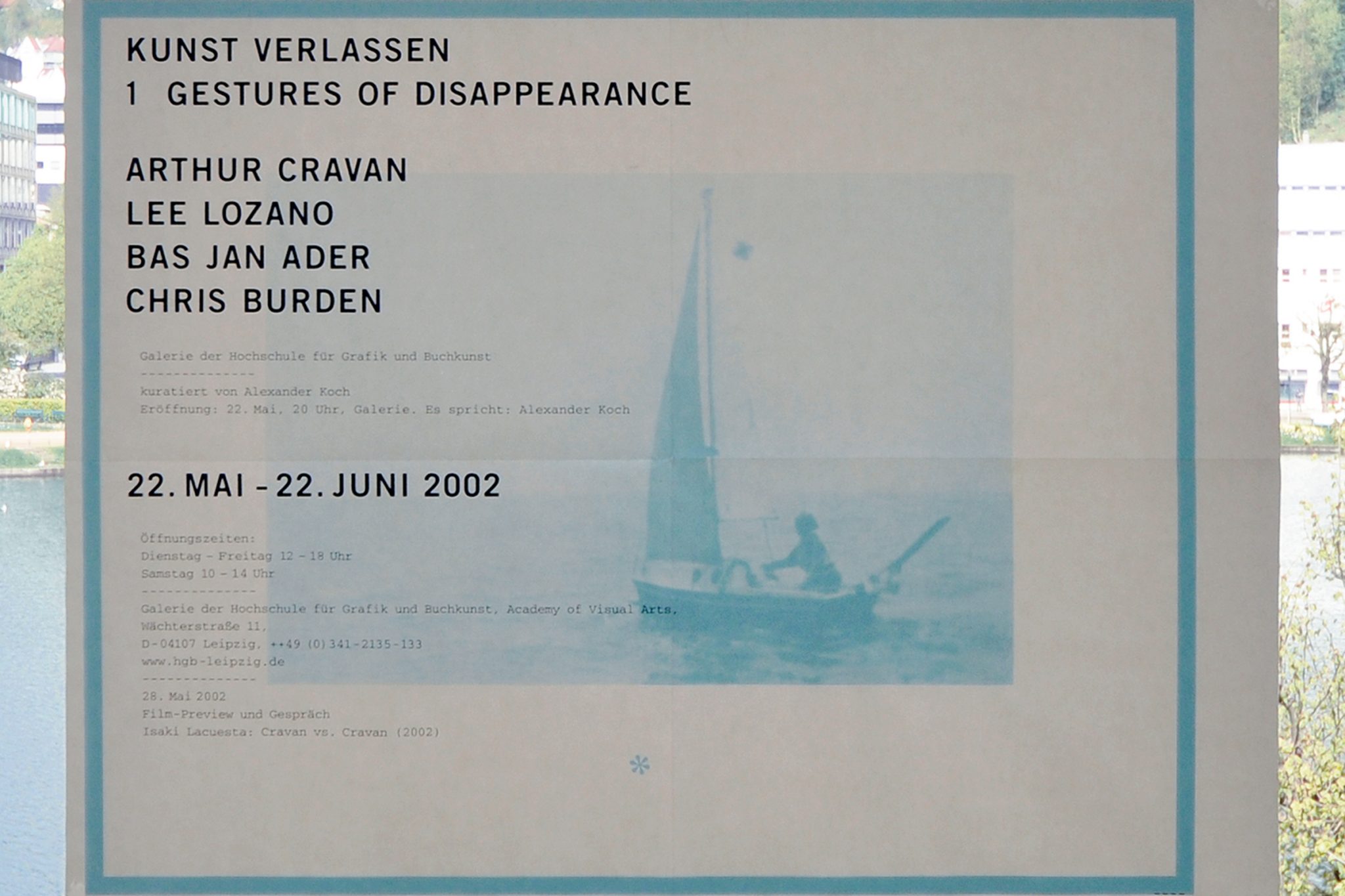
Mit KUNST VERLASSEN #1 / Gestures of Disappearance realisiert Alexander Koch als freier Kurator für die Galerie der HGB eine historische Themenausstellung, die vier internationale KünstlerInnen vorstellt und diskutiert, Arthur Cravan (1887–­1918 ?), Lee Lozano (1930–­­1999), Bas Jan Ader (1942­–1975) und Chris Burden (*1946).

Die Ausstellung zeichnet die Gesten und Haltungen von vier DeserteurInnen nach, die im politischen Klima der 1910er sowie der späten 1960er und frühen 70er Jahre die Festschreibungen der eigenen künstlerischen Handlungsräume aus der Fassung brachten. Ihr Handeln hatte dabei Anteil an der Sichtbarwerdung jener Zonen und Augenblicke, an deren Rändern die Kunst auszufransen beginnt. Aus retrospektiver Sicht sucht die … read more

2001

Levels #4

Galerie im Parkhaus Berlin

Mit Arthur Zalewski und Jean Luc Godard, Herbert Bayer, Catherine David, Beatrice von Bismarck, kuratiert von Alexander Koch

Dem Medium Ausstellung sind stets historische, institutionelle und architektonische Imperative immanent. Diesen begegnete die Ausstellungsproduktion »Levels #4 – Arthur Zalewski«, indem sie den Ausstellungsraum der Galerie im Parkhaus Treptow, Berlin, als einen spezifisch codierten Handlungsraum zu formulieren suchte, in dem sich verschiedne Techniken und Taktiken der Inszenierung und der Exponierung abbilden ließen – und mit diesen zugleich auch die wechselseitigen Erwartungshaltungen und Rollenzuschreibungen innerhalb des Akteursvierecks Künstler-Kurator-Publikum-Institution.

Arthur Zalewski wurde von mir eingeladen als ein Künstler, dessen Arbeitsweise sich beschreiben ließe als ein Set von unterschiedlichen Handlungsmustern, durch die ein Ort, eine Situation, eine Fragestellung oder ein Material schrittweise angeeignet und umgeschrieben werden und in neuem Gebrauch zur Aufführung kommen.
Zalewskis künstlerische, performative Praxis, die sich wechselnder Medien bedient und im Umgang mit Materialien aus der Alltagskultur oftmals ephemere Zwischenprodukte hervorbringt und diese auf einer dokumentarischen Ebene reflektiert, bietet aus kuratorischer Sicht eine Reihe von Berührungsflächen innerhalb der gemeinsamen Fragestellung nach der Ausstellung als einem spezifischen (kooperativen) Handlungsfeld.

Die Ausstellungsproduktion, die für »Levels #4 – Arthur Zalewski« entwickelt wurde und die sich in einer gewissen Tradition der orts- und kontextspezifischen Praxis situierte, basierte auf den räumlichen und kulturpolitischen Rahmenbedingungen der Situation im Parkhaus Treptow, Berlin, sowie auf Fragen nach der Inszenierung des Blicks (der Verführung und Inszenierung des Beobachters) und der damit verbundenen Frage nach der Konstruktion von Oberflächen (mithin Displays).

In der Ausstellung kamen dabei Fotografie, Skulptur / Installation und Film, Reproduktion und Bildzitat als gleichermaßen kontextgebundene wie kontextgenerierende Praktiken zum Einsatz; als »Listen und Taktiken«( Michel de Certeau, »Kunst des Handelns«, Paris 1980 / Berlin 1988), mit deren Hilfe ein brüchiges (Re-)Präsentationsfeld in Szene gesetzt wurde, dem verschiedene (u.a. historische) Implikationen eingeschrieben sind. Herbert Bayer, Jean-Luc Godard und Blinky Palermo fungierten hier gleichsam als Stichwortgeber.

Levels #4 gab implizit einen Kommentar auf das Ableben der Galerie im Parkhaus (der Austragungsort der Levels-Reihe wurde kurz darauf geschlossen) sowie auf das an vielen Orten gerne strapazierte Bild des off-space als kritischem Gegenentwurf zu den »white cubes« und den »etablierten Institutionen«.

Alexander Koch
Mai 2001

»Das Exponat als …«
Beatrice von Bismarck
»Levels #4« – eine künstlerische und kuratorische Rollen verschränkende Zusammenarbeit der beiden Verantwortlichen – übernimmt es, die unterschiedlichen Funktionen, welche Exponate innerhalb von Prozessen des Sehens und Sichtbarwerdens übernehmen, auszuloten. Wenn, wie es die Diskussion um die Rolle des »White Cube« seit den 70er Jahren vorgibt, nicht mehr die interesselose Anschauung des Kunstwerks im Mittelpunkt von ausstellenden Aktivitäten steht, sondern mit der Kontextualisierung des Raumes auch seine einzelnen Bestandteile thematisiert werden, ist das präsentierte Material nicht mehr aus seiner relationalen Beziehung zu Präsentationsstrategien herauszulösen. Es übernimmt eine Rolle. Das Exponat als …

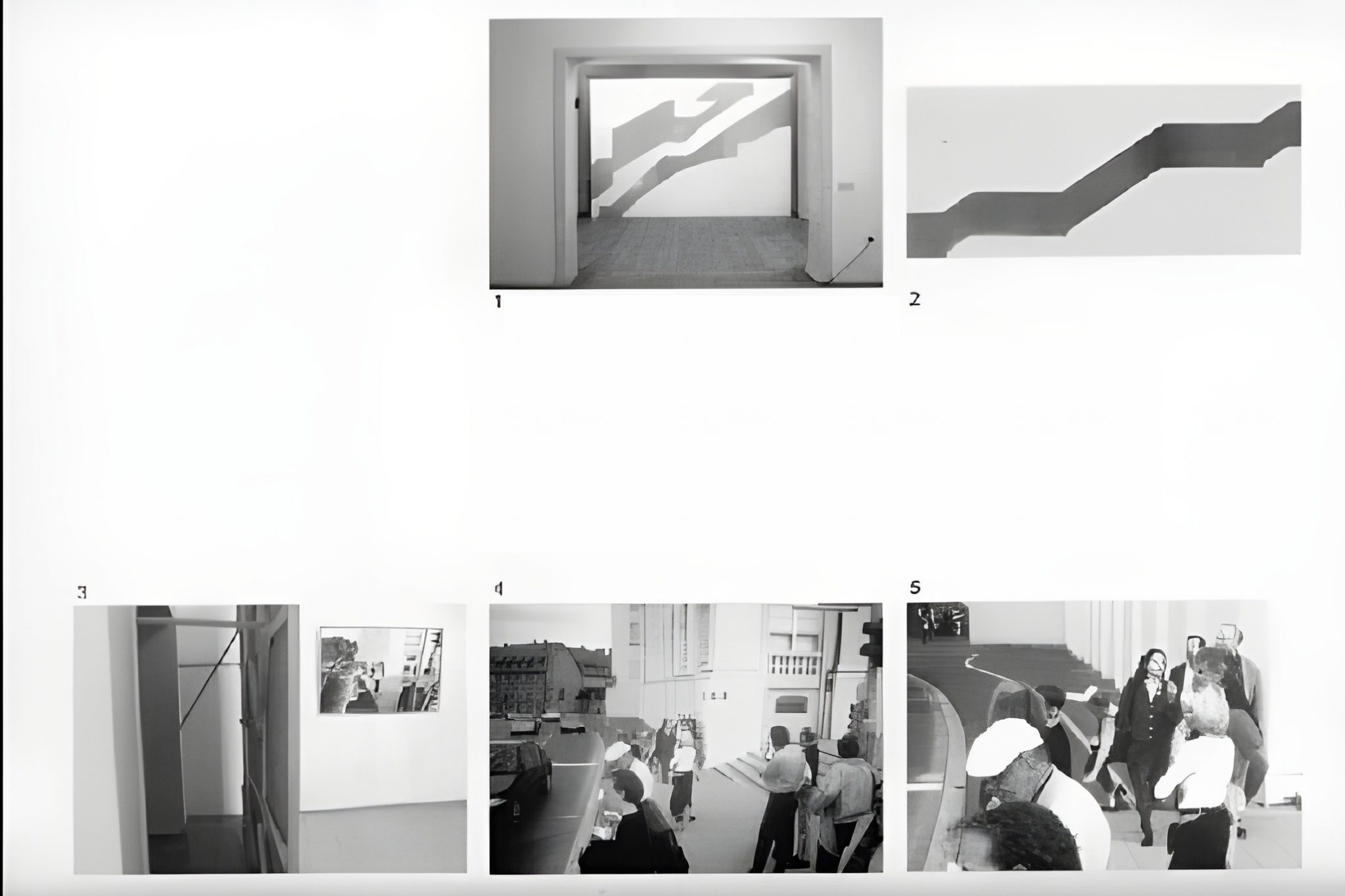
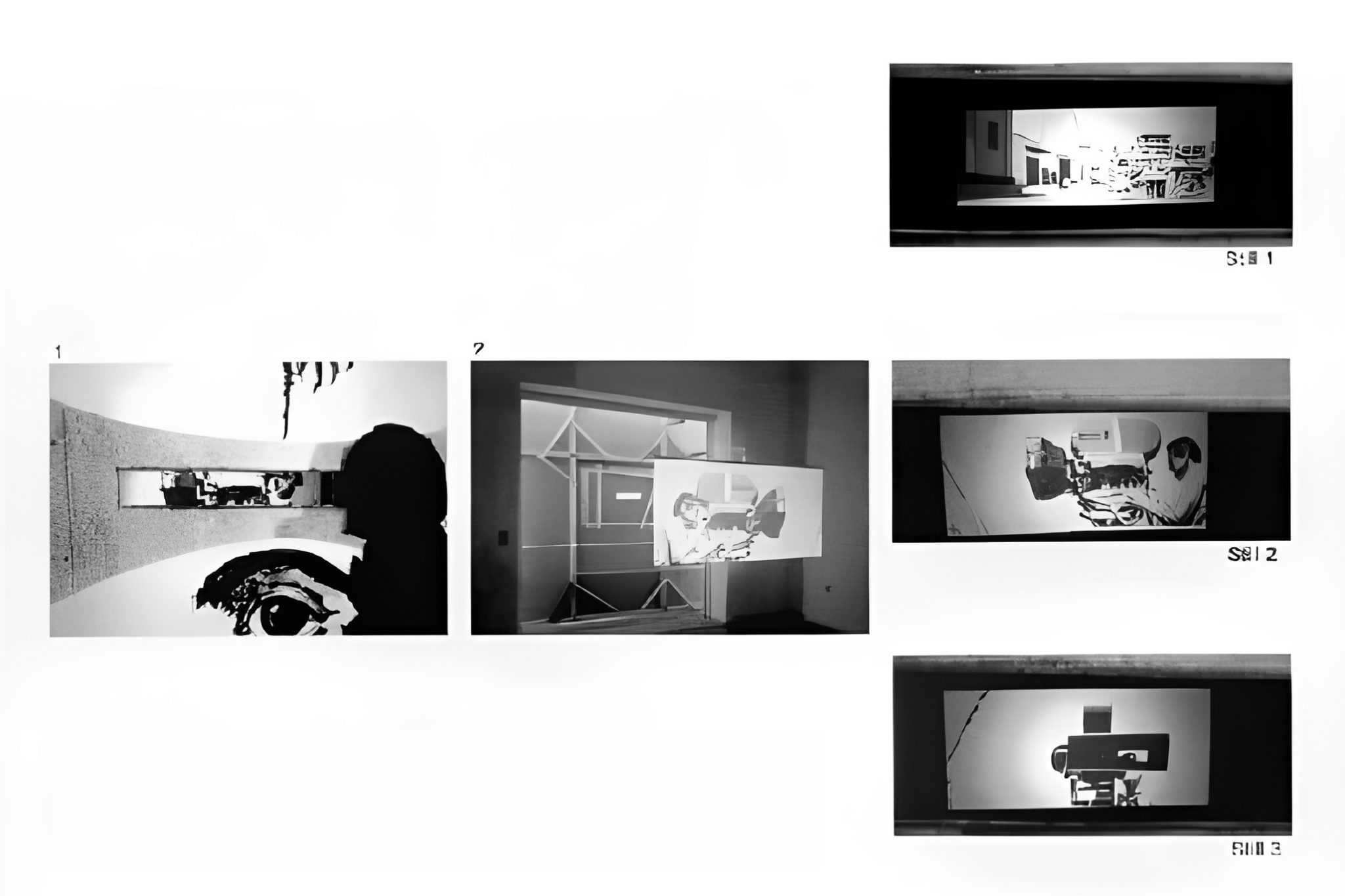
Den ersten Halt beim Betreten von »Levels #4« bietet eine dem Eingang schräg gegenüber liegende Raumecke. Sie wird rechts gerahmt von einem Photo von Arthur Zalewski, einem Schnappschuss auf der documenta X, auf dem, sehr klein und halb verdeckt, die Figur der documenta-Leiterin Catherine David zu erkennen ist. Links schließt sich die Reproduktion eines Installationsphotos an. Es zeigt die Wiederaufführung einer Arbeit von Blinky Palermo in der Düsseldorfer Galerie Konrad Fischer von 1970, in der der Künstler den Verlauf des Treppenhauses in seinem Mietshaus in die Fläche übertragen und als Diagonale auf die Galeriewand gesetzt hatte. Dieses Verfahren hatte Zalewski zwei Tage vor Ausstellungseröffnung in der Galerie nachgeahmt. Die Reproduktion besteht auf der raumgreifenden, raumverstellenden Geste der Wandzeichnung, um ihrerseits, auf eine eingezogene Stellwand montiert, den Durchgang zu den Büros der Galerie im Parkhaus zu verschließen.

So wie in diesem Teil der Ausstellung die Betrachter/innen aufgefordert sind, die gerichteten, begehrenden Blicke – auf Catherine David, auf Palermos Arbeit, auf den dahinter verborgenen Raum bei Konrad Fischer – zu verfolgen und körperlich – in der Verweigerung, die Versperrung des Durchgangs bedeutet – nachzuvollziehen, so übernehmen auch die übrigen Elemente der Installation blick- und körperlenkende Aufgaben: Zalewskis Paravent verweist auf die Verhältnisse sowohl von Teilen des Raums als auch von Besucher/innen zueinander; vor allem aber rückt er in seiner Semi-Transparenz das Verbergen als Strategie der Begehrenserzeugung in den Vordergrund. Wie ein wegeführendes Element leitet er über in den zweiten Ausstellungsraum. In ihm finden sich mit der satten Glätte von Zalewskis autolackierter MDF-Platte, mit der Reproduktion von Herbert Bayers Wanddisplay, durch das man die eine junge Frau verfolgende Kamerafahrt zu Beginn von Jean Luc Godards »Le M6#233;pris« sehen kann, und mit der Sitzbank aus einem Museum, verschiedene Formen von Begehren und dessen Verfolgung zur Anschauung gebracht. Sie schließen sich um die Betrachter/innen, halten sie gefangen, denn selbst wenn von der Sitzgelegenheit aus der Blick zurück auf den Eingangsbereich fällt, trifft er auf die Palermo-Nachahmung, die von dem unerfüllbaren Annäherungswunsch erzählt, der dem Zitieren innewohnt. Womit die Bewegung im Raum erneut einsetzen könnte.

close

2001

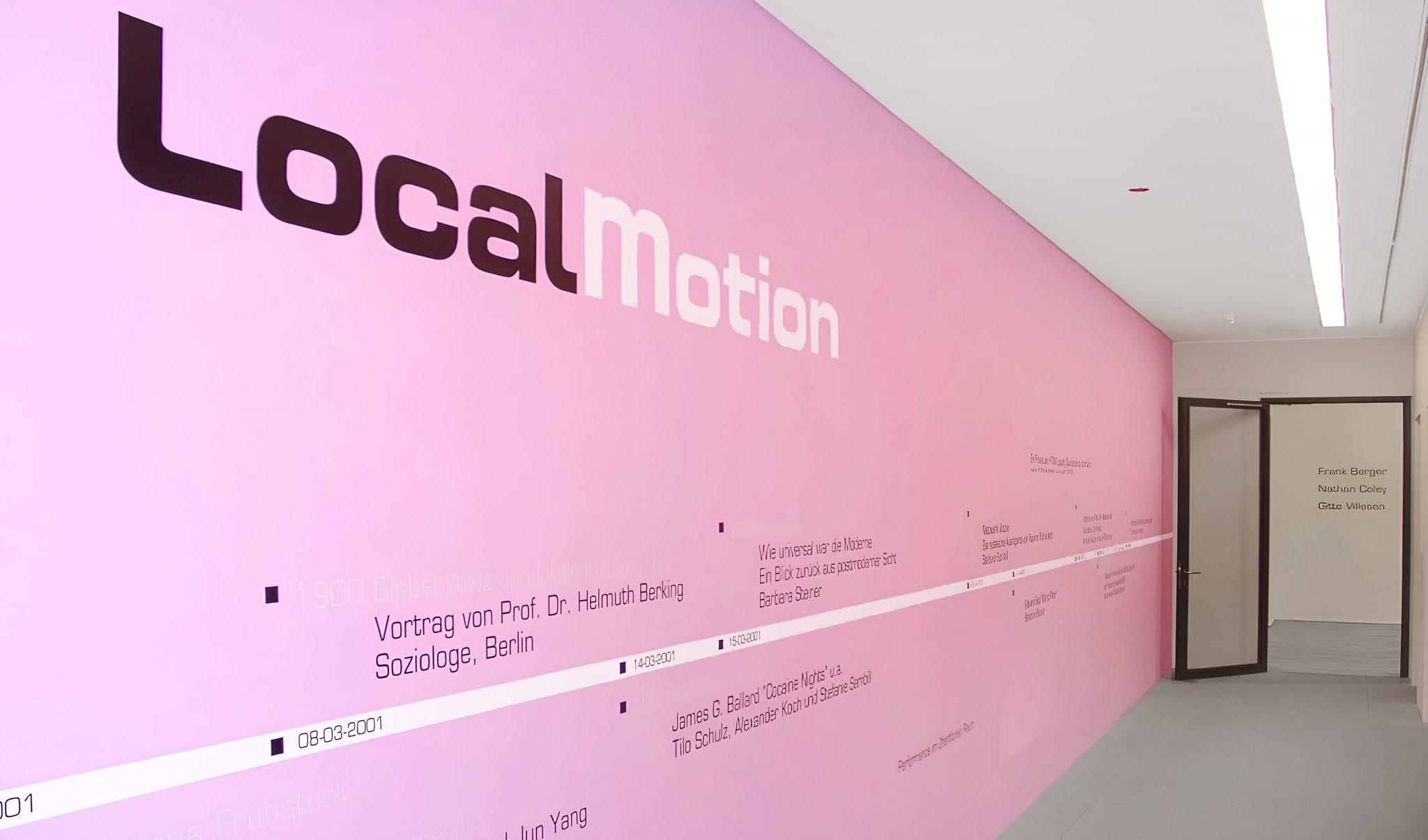
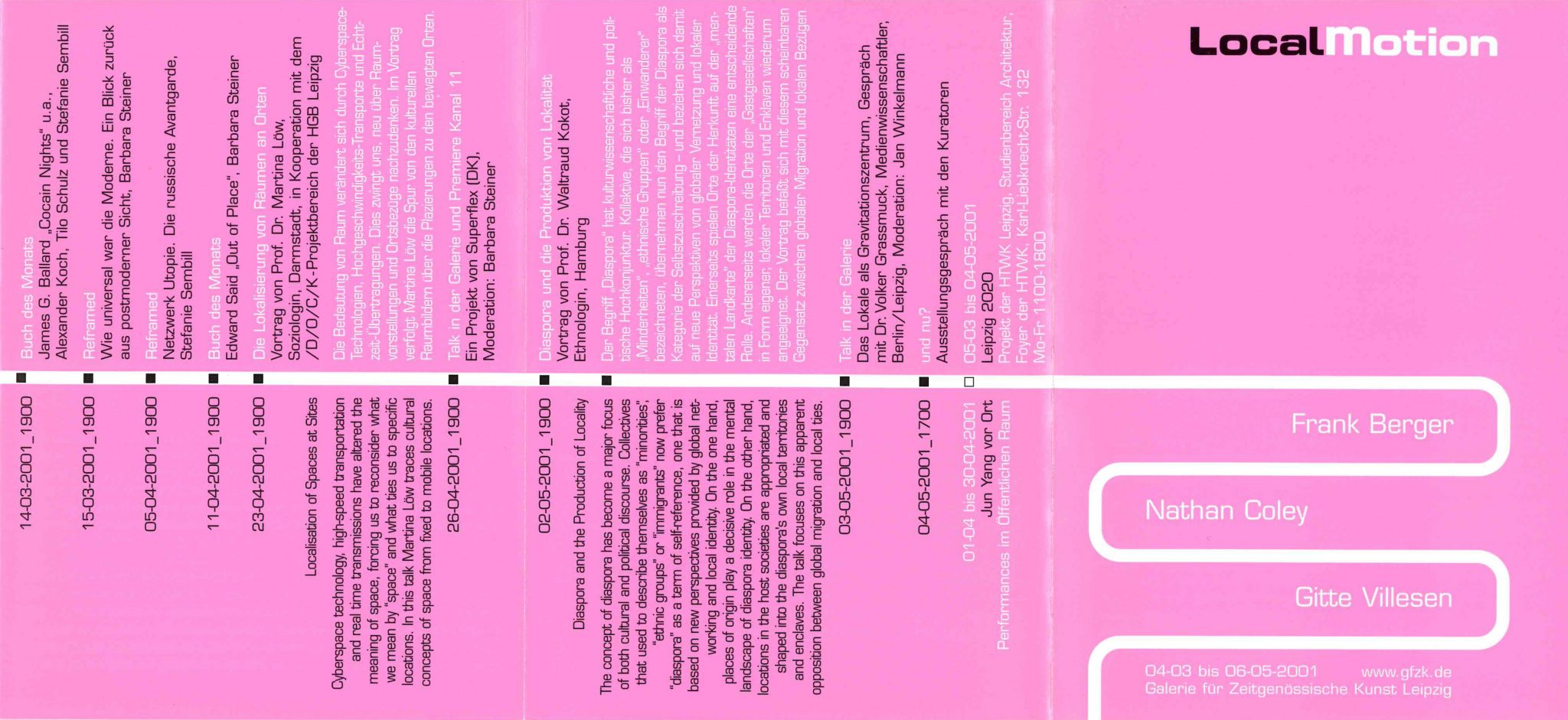
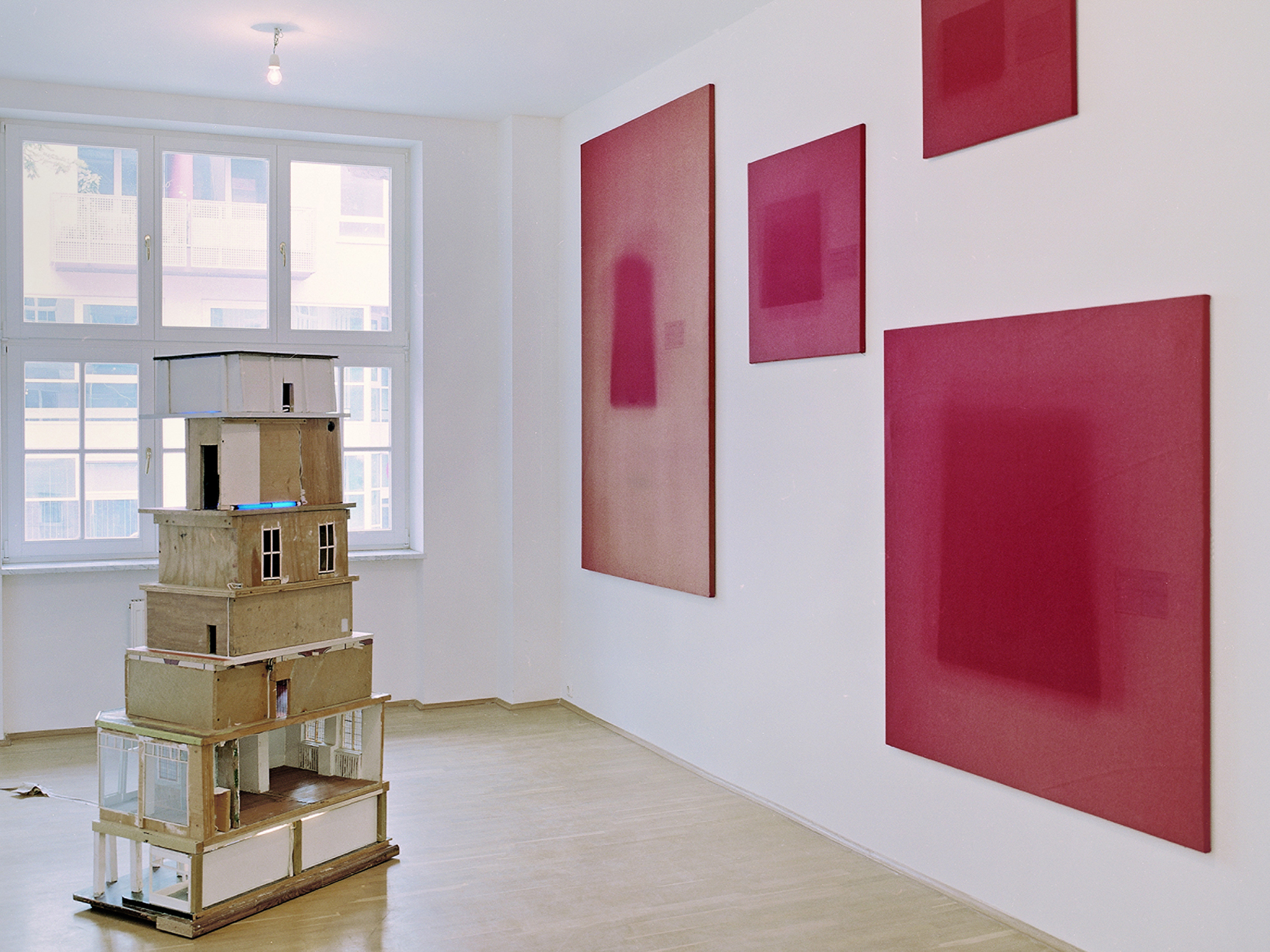
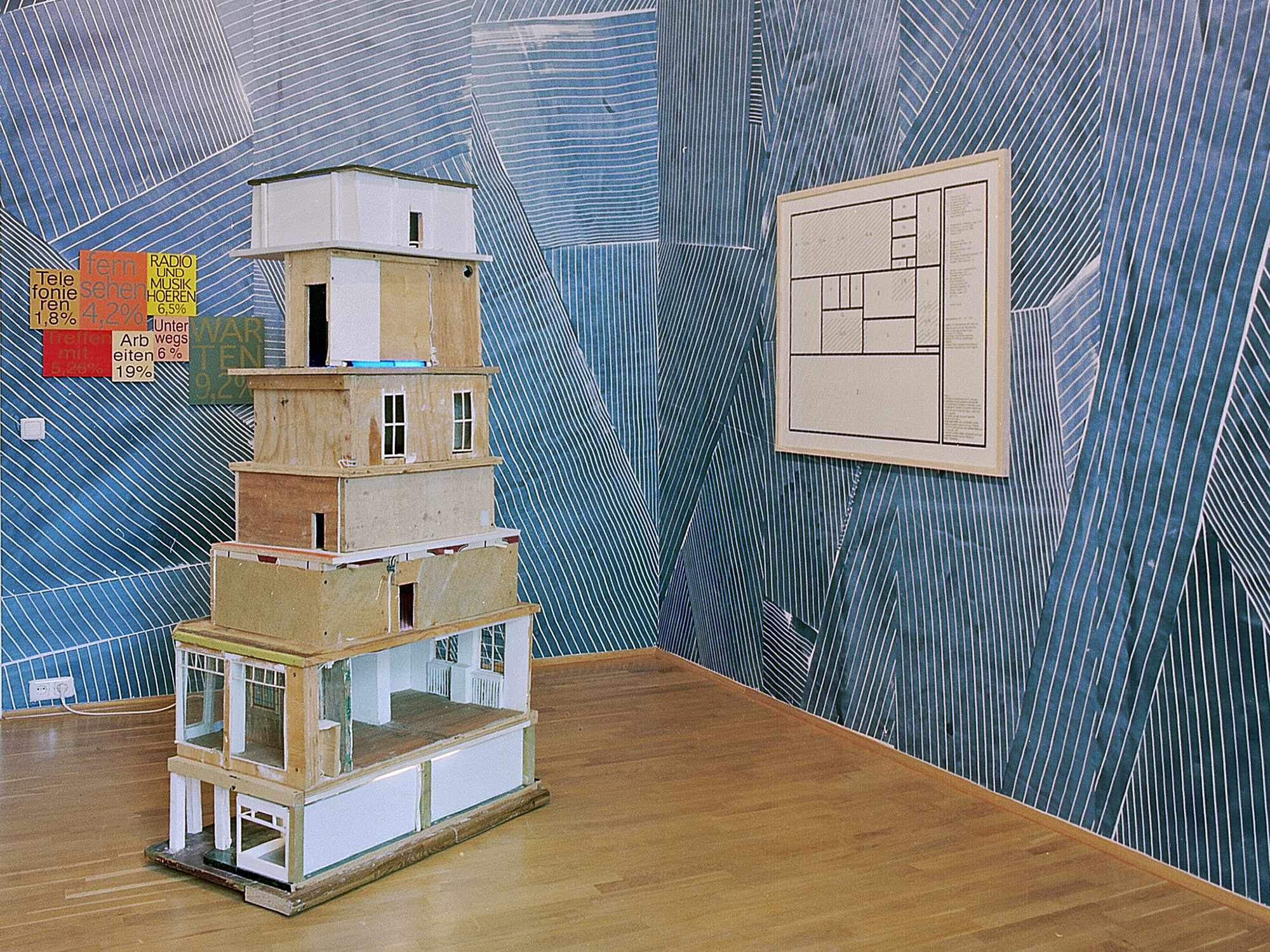
Local Motion

Galerie für Zeitgenössische Kunst Leipzig

Mit Frank Berger, Helmuth Berking, Nathan Coley, Waltraud Kokot, Martina Löw, Gitte Villesen, kuratiert von Alexander Koch, Stefanie Sembill und Tilo Schulz

Globalisierung. Kaum ein Schlagwort verkörpert besser, was den gesellschaftlichen Wandel der vergangenen Jahrzehnte auszeichnet. Kaum ein Thema, das den visionären, den kulturkritischen und den reaktionären Entwürfen einer Welt von Morgen gleichermaßen als Projektionsfläche dient. In populären Metaphern wie McDonalds und Madonna, Cyberspace und E-Commerce, treffen Ängste und Utopien aufeinander. In ihnen erscheint die Globalisierung als eine Dynamik der Entgrenzung, die alle Lebensbereiche erfasst: physische Räume und Körper werden überwunden, kulturelle Unterschiede nivelliert, Märkte und Waren, Identitäten und Menschen sind jederzeit an jedem Ort … read more

2000

Unsquare Dance

Galerie Eigen+Art Leipzig

Mit Antje Blumenstein, Marcel Bühler, Oliver Croy, Thomas Fißler, Achim Kobe, Karsten Konrad, Ute Lindner, Thomas Lüer, Barbara Steppe, Tilo Schulz, Ulrike Kremeier

Auf Einladung der Galerie Eigen+Art wurde ein Projekt konzipiert, das mit den Gewohnheiten der gängigen Ausstellungspraxis bricht. UNSQUARE DANCE verweigert sich den klassischen Standards und bringt in vier Schritten das Format der kuratierten Galerie- und Gruppenausstellung in Bewegung : Neun sehr unterschiedliche künstlerische Positionen aus Dresden, Leipzig und Berlin lassen sich auf ein Experiment im Spannungsfeld zwischen künstlerischer und kuratorischer Praxis ein. Im UNSQUARE DANCE riskierten sie auf 90 qm mit rund 40 Bildern, Objekten und Installationen die Kollision divergierender thematischen und ästhetischen Felder, um zusammen mit dem … read more