“The next documenta will be commissioned by the people.”
The following idea for documenta is inspired by a major shift in the social history of art, and it responds to the challenges that democratic societies, as much as art institutions, are facing today.
This idea takes into account a long historical development, which has continuous relevance. Since the modern revolutions, ambitions have not diminished to reconsider the role of the arts for the development of communities and societies. The basic question, how art can respond to the needs of society, and how it may instigate solidarity, is not only crucial to the art world. It is politically crucial, again today. d15 can facilitate one answer to that question.
Consciousness has grown in recent years that today’s social crisis, and the mistrust in representative politics, demand increasing efforts to strengthen social and cultural participation and integration. This objective requires a stronger redistribution of power, responsibilities and resources in order to overcome prefigured top-down schemes, including institutionalized modes of participation, and reconcile the shrinking faith in democratic ambitions.
d15 will be based on a simple, yet momentous adjustment of the institution’s methodology. All d15 projects will be commissioned by communities in Kassel, the Hessen region, and elsewhere in Germany and other countries. For the first time, documenta will not be conducted by a curatorial concept, or a curator persona. Instead it will be fueled by the issues, needs and desires of citizens from various backgrounds, who will shape the topics, demand the forms, and create the legitimacy, of documenta. d15 will be the first edition that arises from civil society, in fact it will be inseparable from civil society. It will kick off potentially sustainable local developments, while the city of Kassel will see a major exhibition in the tradition of previous documentas, with artists from around the globe. d15, the exhibition, will indeed be “a window to the world”, yet with the crucial specification that no curatorial authority determines what will be seen and narrated in this window, and what not, but a multitude of citizens from different cultures in collaboration with mediators and artists of our time.
Mediation, an extended field of public curating
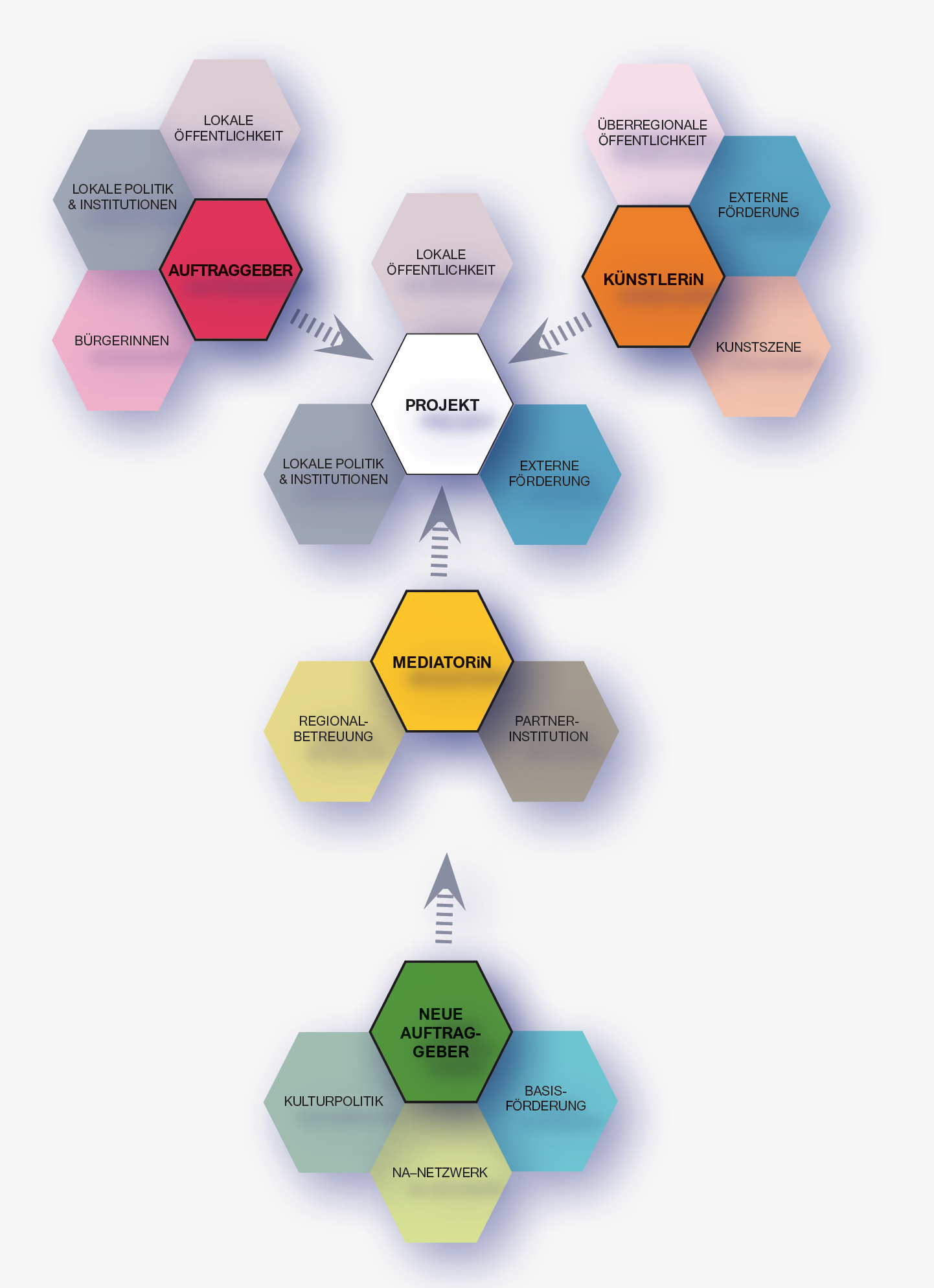
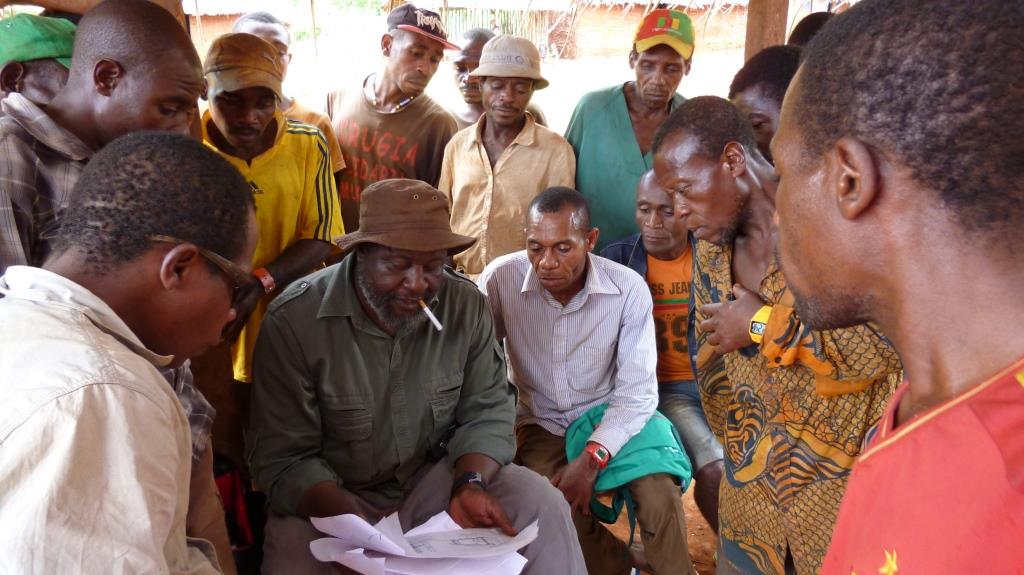
This becomes possible with an alternative methodology based on mediation instead of curation. The role model of the mediator, that was first systematically introduced to the art world during the early Nineties in France, and that has since spread over Europe and beyond, allows for a different mode of artistic production and social interaction. In this model, mediators, who are experts in contemporary art, support and accompany citizens in the commissioning of projects that respond to their demands, and that become new public goods. The shift from curating to extended curating, to mediating, and to moderated bottom-up processes makes it possible for anyone who wishes so, alone or in association with others, to take responsibility for the commissioning of an artwork. As commissioners, or patrons, people from all parts of society (and potentially any society) can take a responsible role within the art world and their own social environments. The resulting projects will make it possible for documenta to incorporate an undetermined variety of urgencies and visions, desires and conflicts, local contexts and social struggles and utopias, individual voices and artistic ambitions.
d15
100 projects, 100 artists, in 20 countries around the world,
commissioned by thousands of people
Team, Collaborative Commons, and the Exhibition
documenta 15 will be based on four structural elements, complementing the existing general structures in Kassel.
1. The Basis Team:
A team will be built for d15 to setup the general methodology of the commissioning process and the required mediation techniques. The team will identify qualified professionals to become the d15 mediators in Kassel, Germany, and other countries. The team will train them and supervise their activities. The basic team members will also create the necessary local, national and international alliances needed to implement the mediation methodology in the various contexts, and to finance the projects.
2. The Mediators and Their Critical Friends:
10 to 30 mediators (depending on the number of regions / the general scaling) will be selected and supported to facilitate the project developments in the designated regions. They carry the main responsibility for the exchange with local communities, for the selection and design of significant commissions, for choosing the corresponding artists, and for accompanying the citizens and the artists during the conception and production of the works. They will also build the bridges to local administrations and authorities, when needed – or find ways around them, if necessary. The mediators will be backed by regional (cultural) institutions that provide organizational support and communication skills and structures, as well as fundraising skills. In order to support the coherence and quality of the mediator’s choices, they receive supportive advisory from a reasonably sized network of international experts. Coming from different parts of the world, these specialists will provide a network of competences, enrich the mediator‘s capacities to choose significant artists, and play the role of “critical friends” who are a feedback group, not a selection committee or jury. This will contribute to ensure documenta’s high artistic ambitions.
3. The Exhibition and Communication Team:
A team of exhibition makers (curators, architects, artists) who are specialized on exhibition methodologies and design, will take responsibility for the central exhibition in which the various commissioned projects will be displayed. They will be completed by a team of narrators (writers, art critics, cultural anthropologists). This is where d15 will affirm an additional field of innovation: exhibition display and exhibition narratives. The commissioned projects have to be presented and narrated in a coherent manner by reflecting the necessities of their local origins, of their specific voices and decisions. From a popular public’s perspective, the art of d15 will not “fall from unknown skies”, bringing the need for didactic explanation. It will “grow from the grounds” of people’s realties, and make them tangible. d15 will also be “storytelling”, providing insight into the various historical and social backgrounds of each work and its commissioning communities.
This is obviously also the foundation for the d15 publications and public relations work.
Not all works and projects will be able to be exhibited in their original form. Some will be located in different districts of Kassel, some will be unmovable public works anyplace in Germany or abroad. Those will be documented in film, photography, modelling and writing. d15 will open up for commissions in the field of architecture and urban planning, music and theatre, design and fashion, cinema and literature, since the commissions will be able to take any form. Many of these forms can be presented in Kassel, extending the d15 venues to previously disintegrated cultural institutions, like theatres, cinemas and libraries.
4. The Context Team:
A team of curators, art historians, and anthropologists will develop an exhibition unfolding the historical developments preceding d15’s approach. The exhibition will research and display the histories of commissions by citizens and communities in different cultures and historical eras. It will show the diverse models of patronage outside of top-down-hierarchies, most likely with a focus on non-European cultures, on early modernism and on revolution and post-revolution periods, as well as on selected contemporary models of citizen commissioning. This exhibition will provide – for the first time – a broader perspective on the alternative modes of cultural conception and production underlying d15’s approach, and will connect to – or even start – a new branch of research on the social history of art.
d15
from the people, for the people
The Artists and Their Works
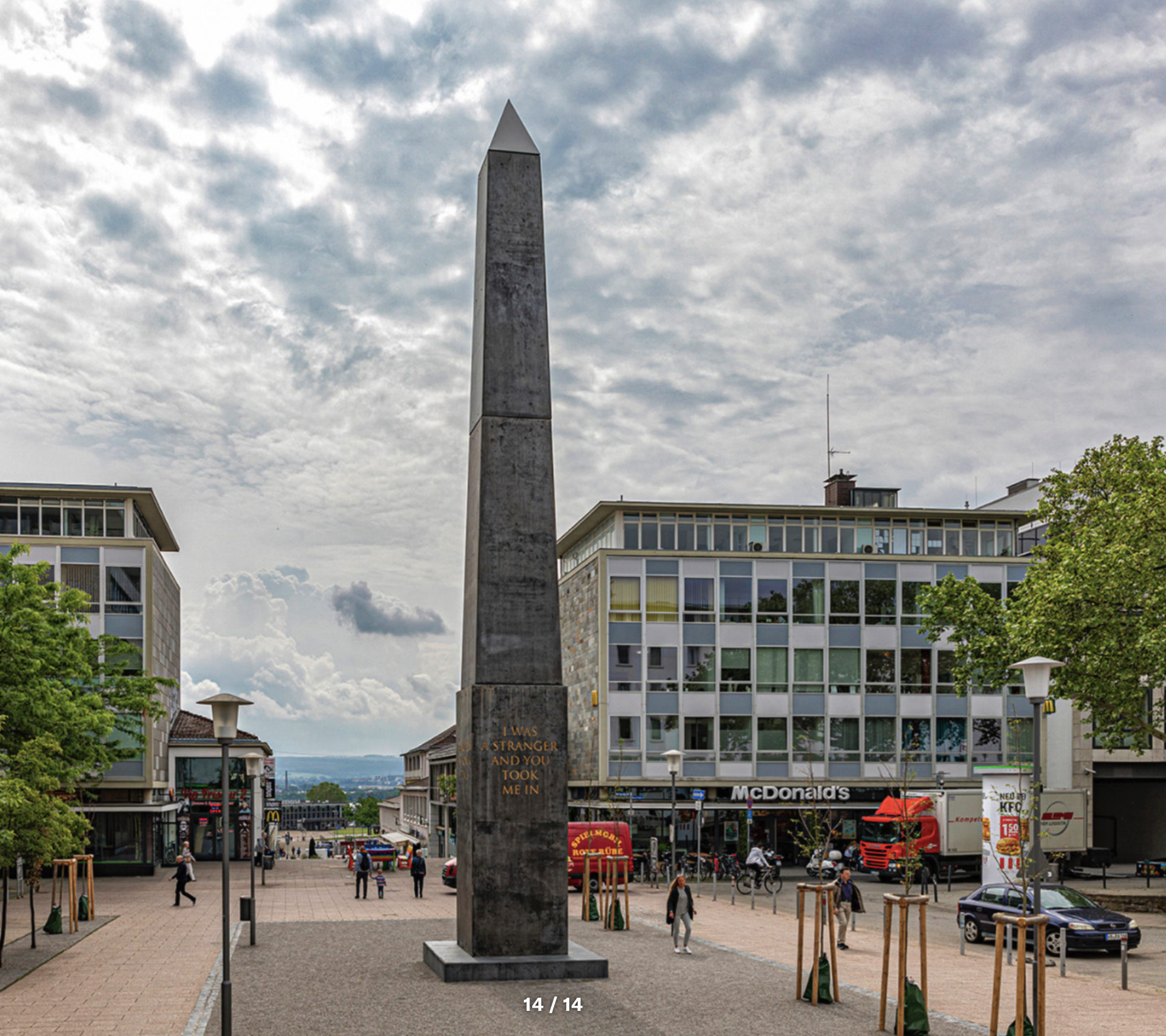
All artists of d15 will be selected by the people/ patrons. This selection will not be contingent, it will be based on the suggestions made by the mediators which will be enriched, informed and commented by the team of critical friends. Experience has shown that many artists, even the most acclaimed, engage in these commissions with high ambitions, since the social context and urgency – the people’s demand – is a strong motivation for their ambitions. The context of d15 will add to these ambitions. The final approval of all selected artists is nevertheless with the communities who take responsibility over their respective commissions. All artistic projects will be directly commissioned by these communities, with the practical support of local intuitions. All completed works will become public goods. They will be owned by the community, most often in the framework of public administrations or institutions in order to ensure their maintenance and / or distribution. Therefore, none of the d15 productions will enter the art market, or become private property. It is likely that the legacy of d15 will, among other things, consist of the various public art works that will continue to exist, have their respective effects, and write their own histories into the future. d15 will remain as a corpus of public works, some of which may be destroyed, most of which may stay, wherever they are located. Some of them, if they are of performative nature, may circulate for an unknown time.
d15
for long, artists have responded to the needs of society. now it is up to society to tell its need for art, expressed by its people
A Movement of Shared Awareness, and the Kick-off for a Network of Sustainable Developments
d15 will be an exhibition that reaches beyond the borders of large-scale exhibitions without the needs to pretend an overly large exhibition scale, and thus without over-exhausting its own possibilities and resources. It will expand an already existing international movement of citizen’s commissions and citizens–artists–collaborations to the next historic scale, make it visible to many, and make it functional in places where it previously did not exist. By doing so d15 will engage and be shaped by a large number of people in Kassel and elsewhere. It will be a productive signal for collaboration and for envisioning social innovation, transcultural exchange, and new artistic methodologies. Spreading out from its headquarters in Kassel, it will not only produce new works of art in the city and in other places, but also create public awareness and response in an unprecedented manner due to its resonance within various local and international publics.
But most of all – and this a core of the project – d15 will initiate new structures for a new type of cultural production and participation. These structures are meant to endure. The networks of mediation that will be put in place with, and by, local actors and institutions in various locations, will be conceived and developed in order to be sustainable in the future, to become a part of the cultural landscape of the respective regions, and to therefore continue to exist way beyond the duration of documenta. In other words: documenta will leave traces due to its kick-off for future project developments based on structures that will first have been inspired by d15. It will therefore be the first documenta with sustainable effects, influencing developments on a local, national and international scale.
d15
a vision for a next chapter in contemporary art
The Timeline
The preparations of the d15 methodology and the installments of its teams and structures will obviously have to be impelemented immediately. Six months after putting the basis team together the network of mediators and partner institutions needs to be standing and start their work. Within the following 12 months, communities will step by step start the commissioning processes and artists will step in to develop their project proposals. The remaining time until 2021 will concentrate on the artistic productions and the feedback processes with the communities, as well as on the preparations of the exhibitions in Kassel.
Finally, d15 will be organized around the 100 days of the exhibition and its surrounding programs and events in Kassel. It will as well see events in the locations of individual projects. Its public communication will focus on Kassel, while it will naturally, and without much guidance from the Teams in Kassel, see communication multiplying around the local projects in the participating regions. The public communication will start months before d15 opens its doors, putting focus on selected projects, highlighting the demands and situations of individual, considered communities, sharing first narratives, and raising awareness and curiosity towards the opening days in Kassel. This public process is within d15’s nature, and it will continue after d15’s closing days since many of the projects will continue to have public resonance. The afterlife of d15 will be a new experience for the institution itself but also for the communities. Due to the decentralized project structures, individual processes and public communications are not bound to the timeframe of the exhibition and will see continuation. d15 will expand its local as well as its international public presence in an unprecedented way.
The Budget
d15 aims at raising the budget due to the collaboration with other regions and institutions. Since it launches new programs of cultural production in various political and economic settings in and outside of Kassel, it will activate new financial sources for the artistic productions. Its budget will mainly be necessary to set up the structures and to finance the practice of the key actors involved, including financing the political work and the public and private fundraising necessary to implement the methodology of d15 in the respective regions. Multiplying the territories of activity will multiply the possibilities for political and financial collaboration and investment. d15’s productions will not rely on the art market, 100% of its productions resources will be based on public subsidies, specifically since all works will be public goods and therefore stay outside of the commodification process. Obviously, a reasonable part of the budget will be needed for the production of the exhibition in Kassel and for the running costs of the event.
The Locations and the Partners
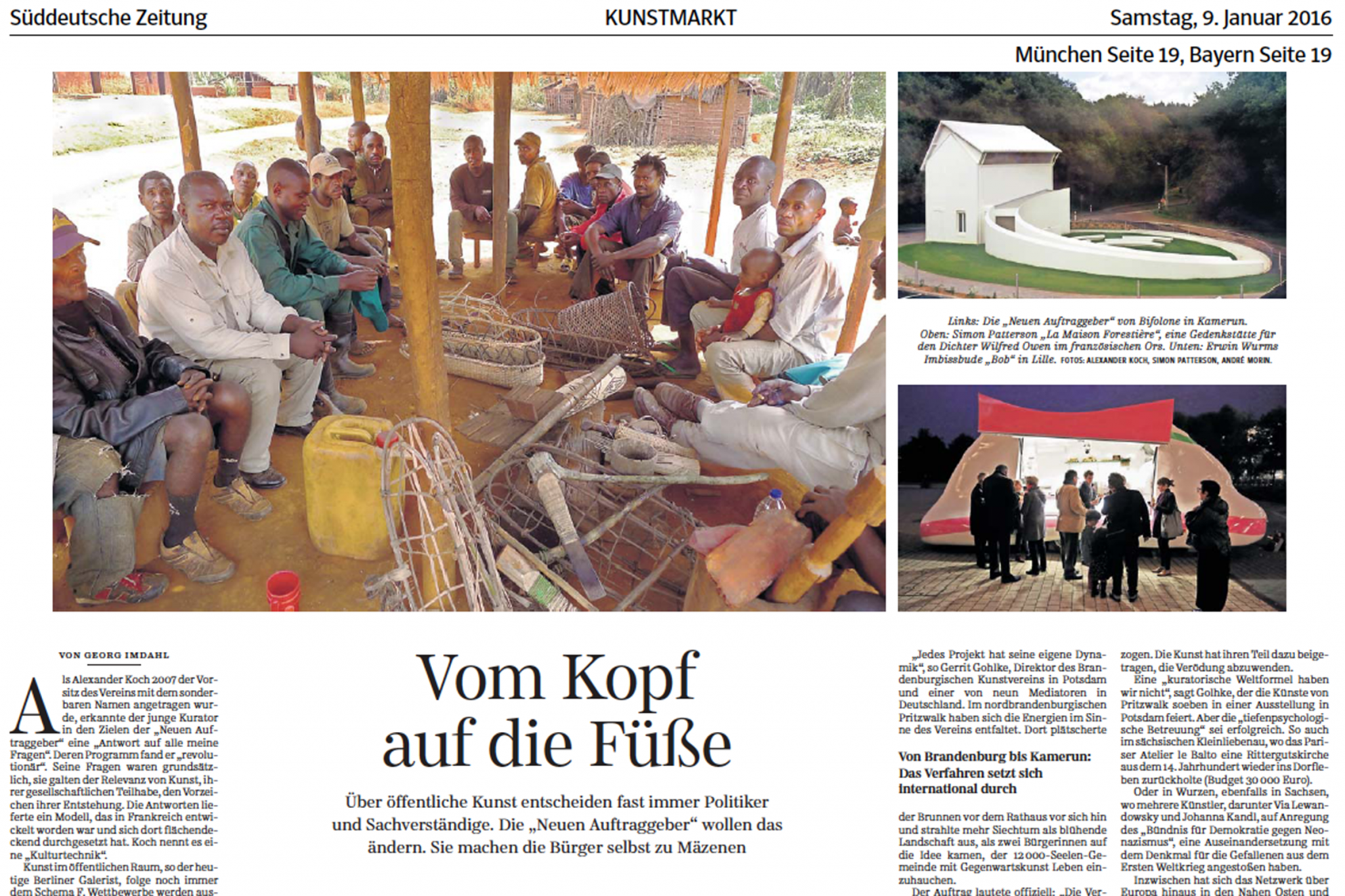
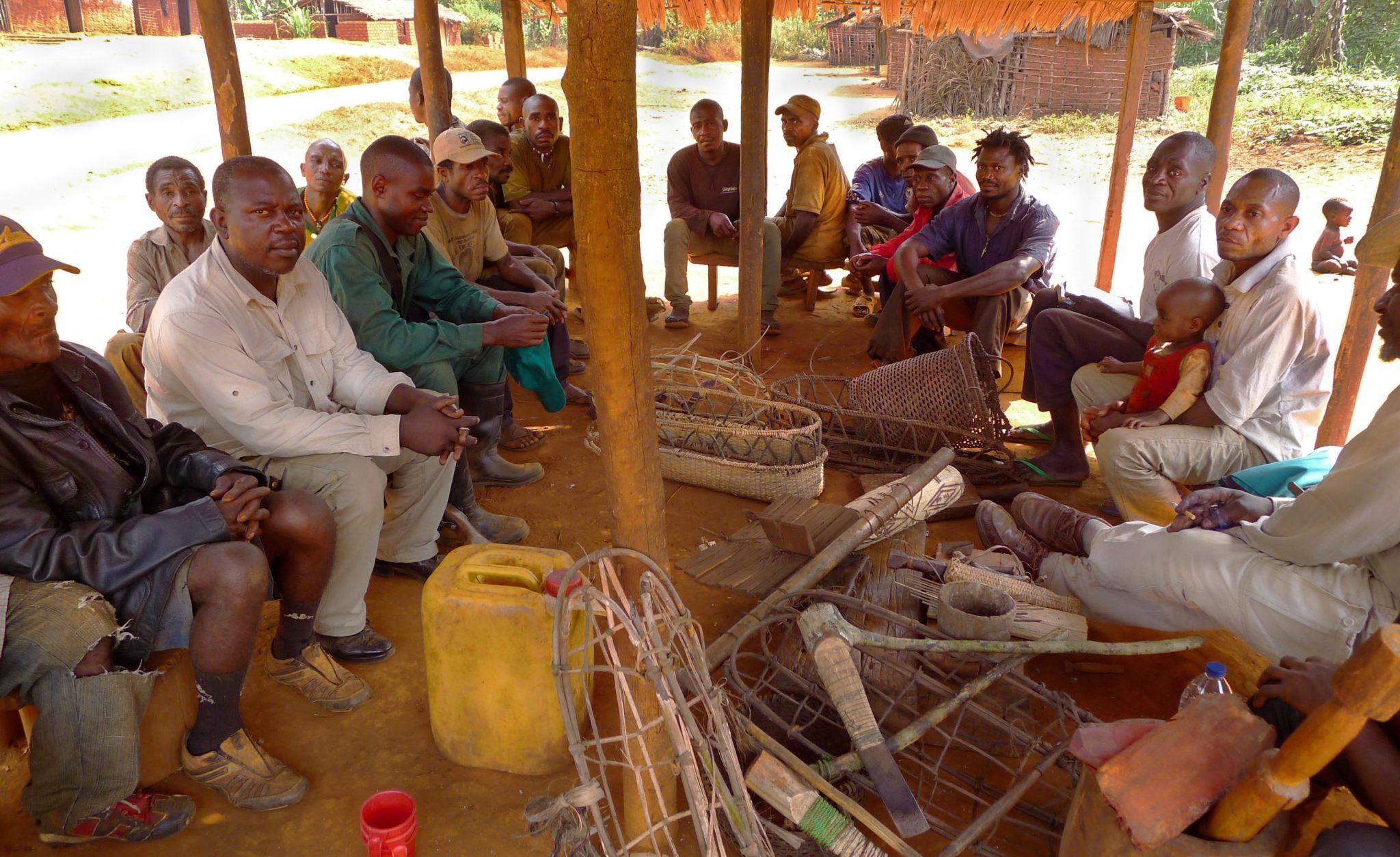
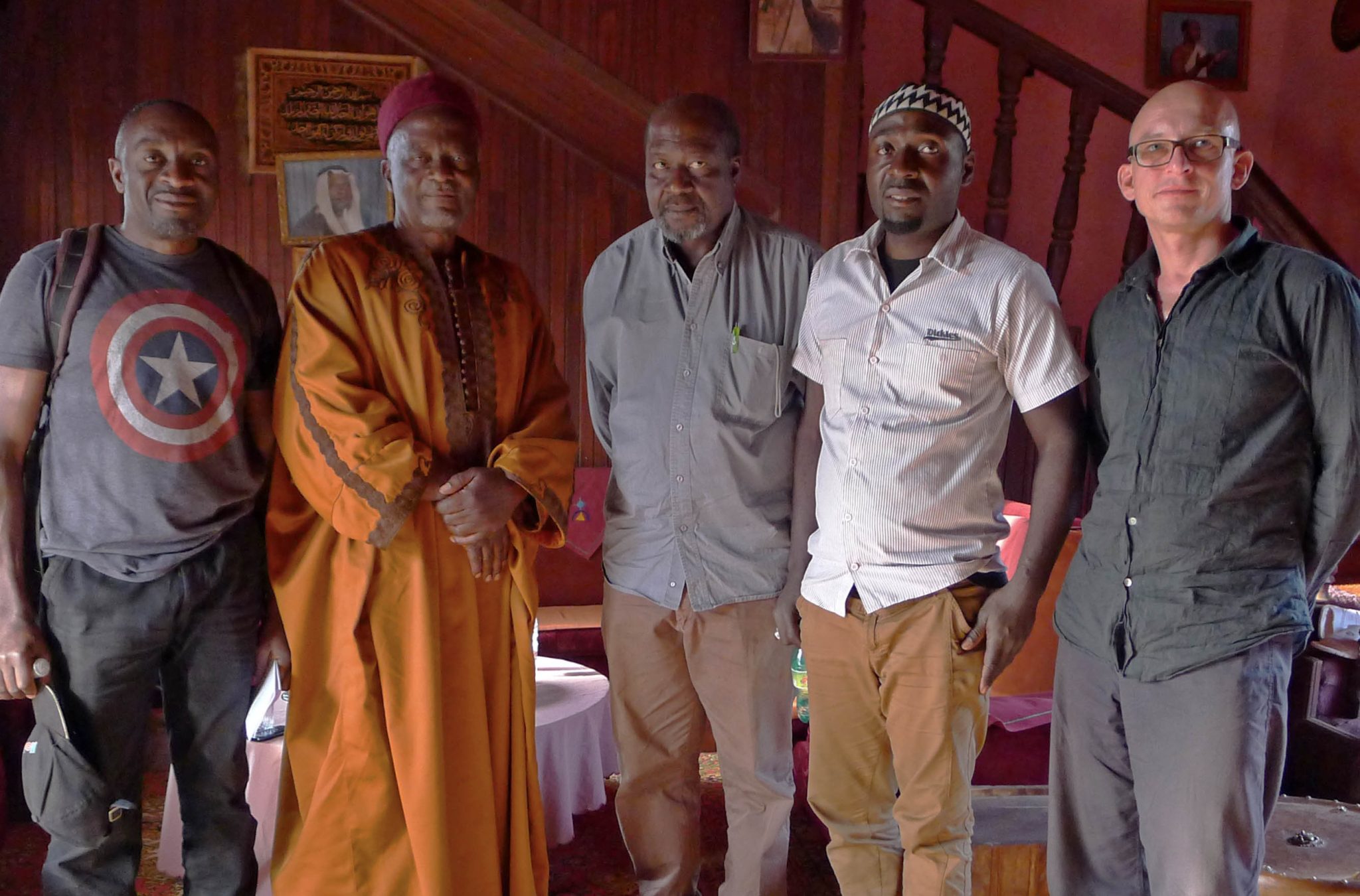
d15’s projects will be located and produced in the city of Kassel, in the Land Hessen, and in other selected German regions, mainly in rural areas and in zones of structural transformation. Outside of Germany, d15 can build on already existing structures of mediation in France, Belgium, Spain, Italy, Cameroon, and Switzerland. In several other countries on different continents – specifically in Africa – partner structures could be set up rather fast due to preexisting contacts and experiences. A selection would be developed with the competences and networks of the Basis Team and the initial political partners involved.
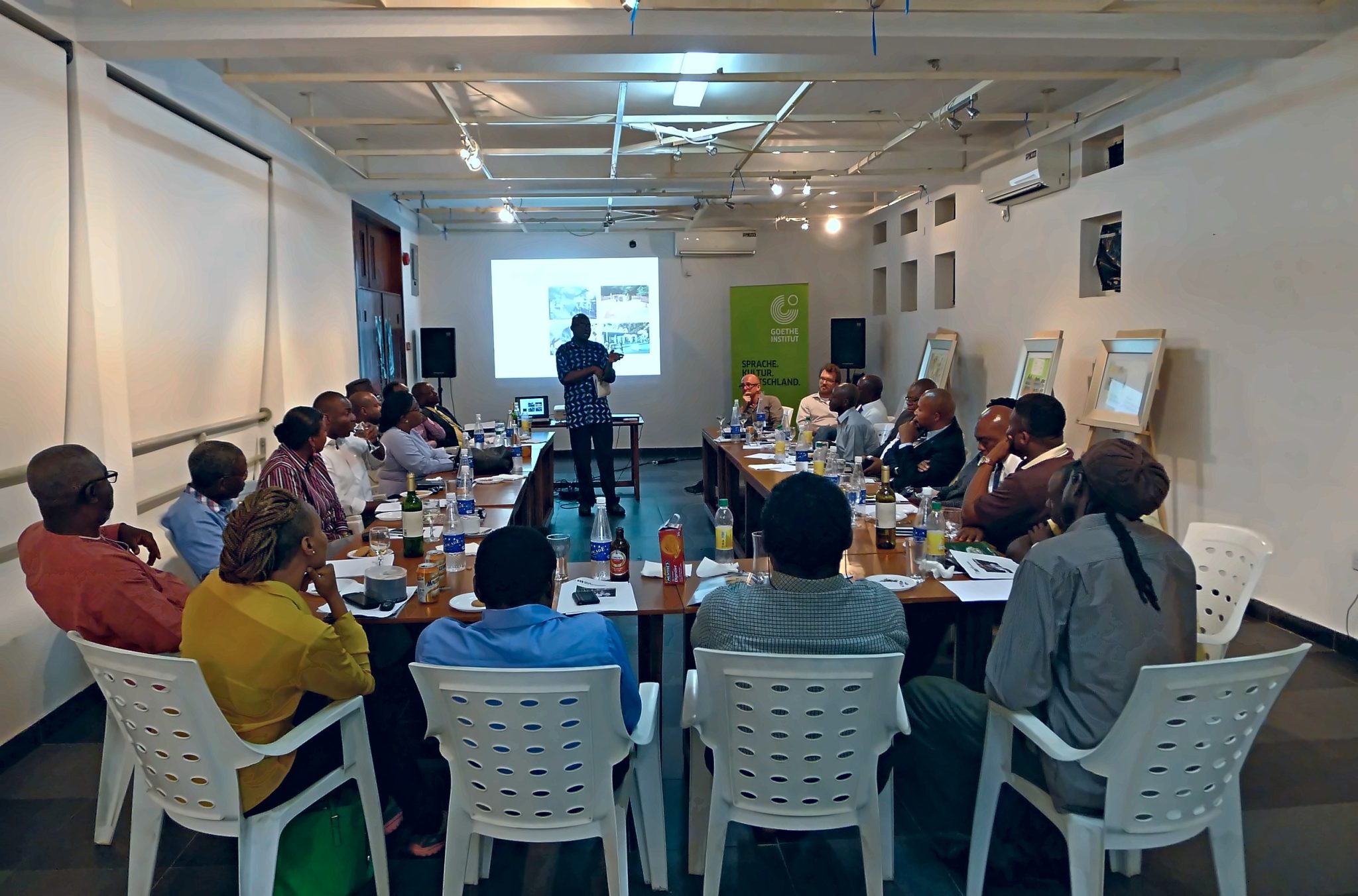
Main partners in Germany that are already supporting the suggested methodology and that will be, or are already, in favor of the suggested d15 proposal are Auswärtiges Amt, Goethe Institut, Kulturstiftung des Bundes, Bundeszentrale für politische Bildung. They will play a decisive role in supporting the structural development. A network of national and international foundations is likely to support the d15’s structural program and methodological approach, as well as political, public, and private institutions in the respective countries. This rich alliance of multiple partners will provide a strong spinal cord for d15 on the symbolic, financial and political level.
The Background
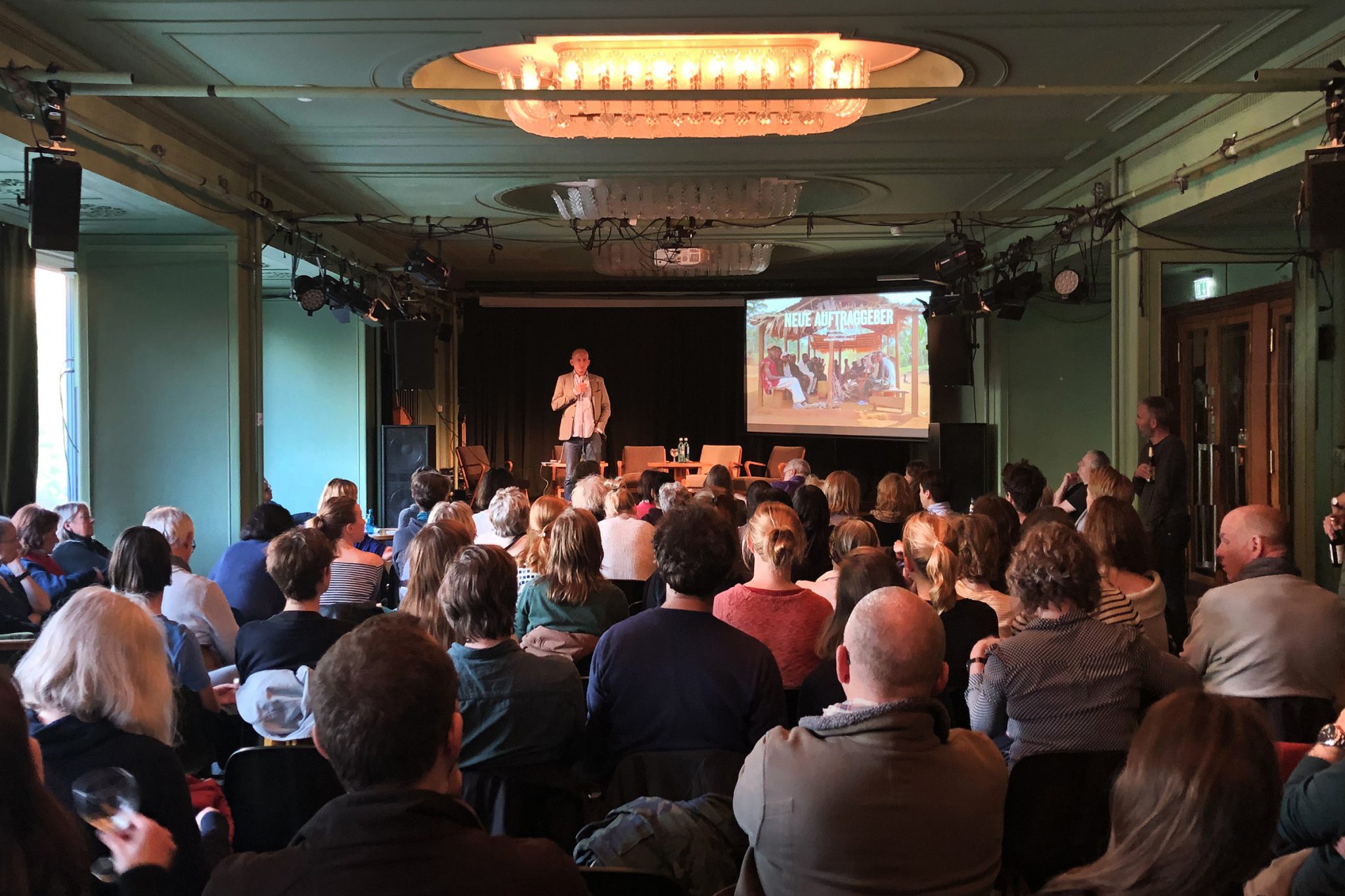
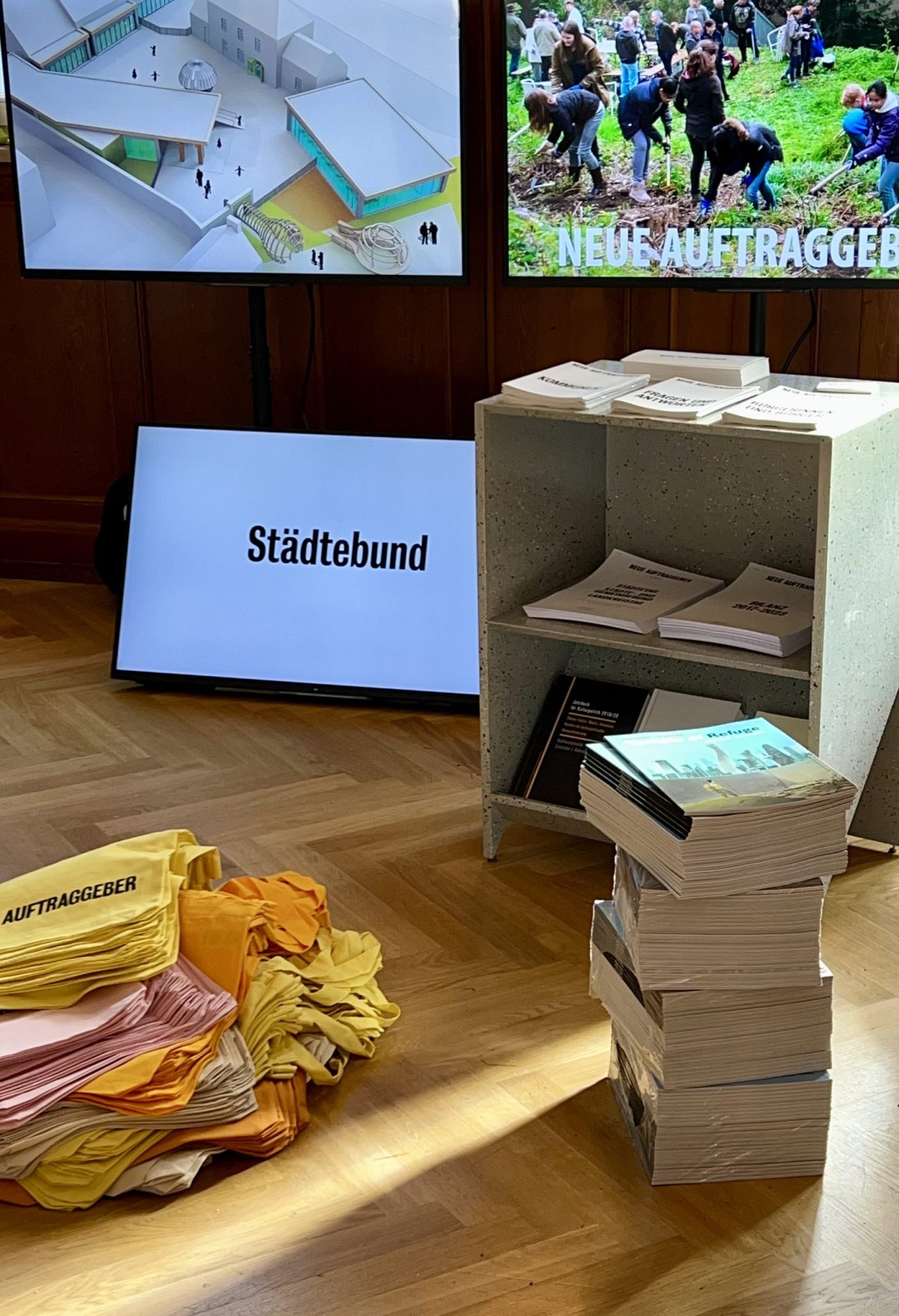
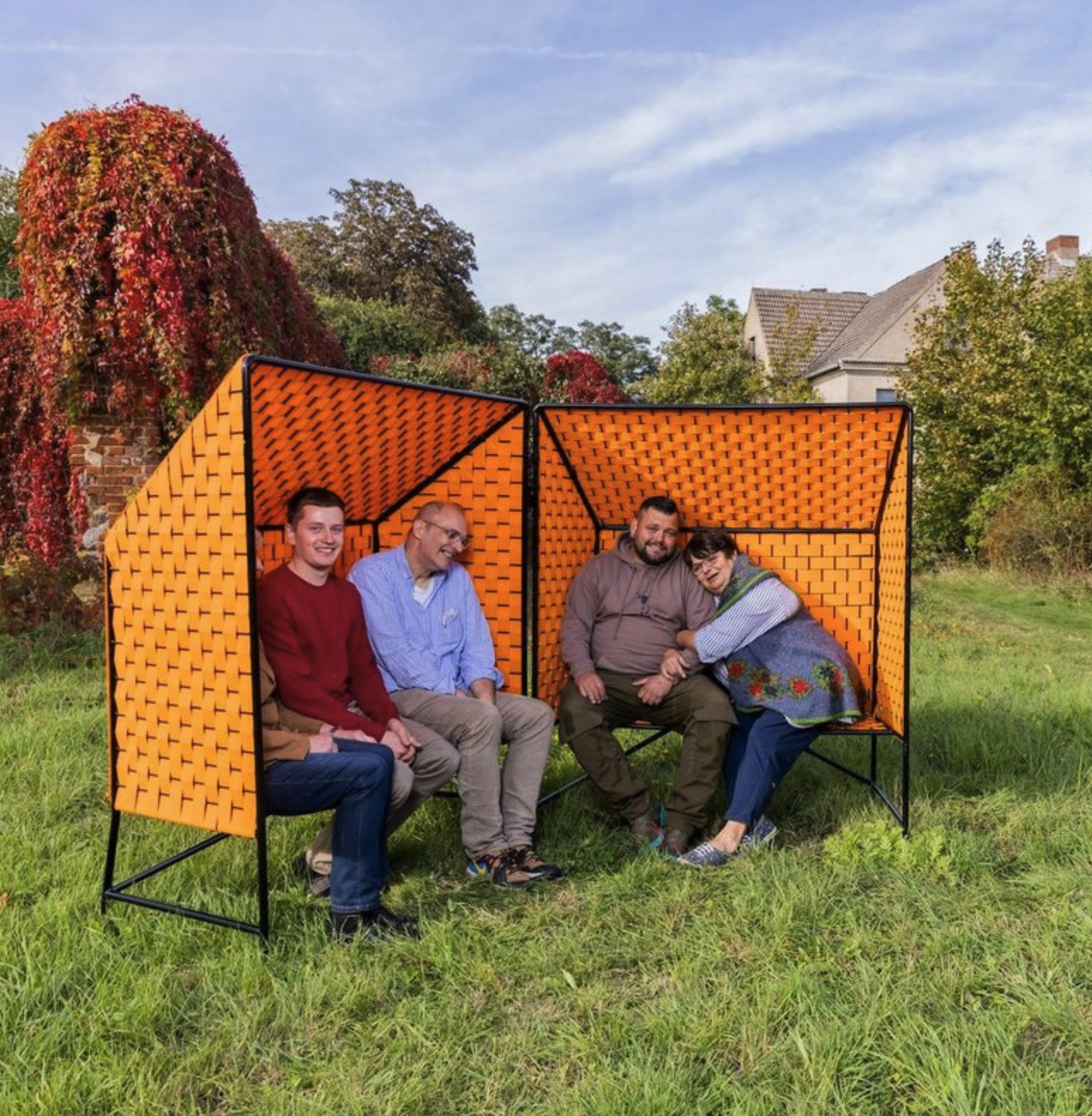
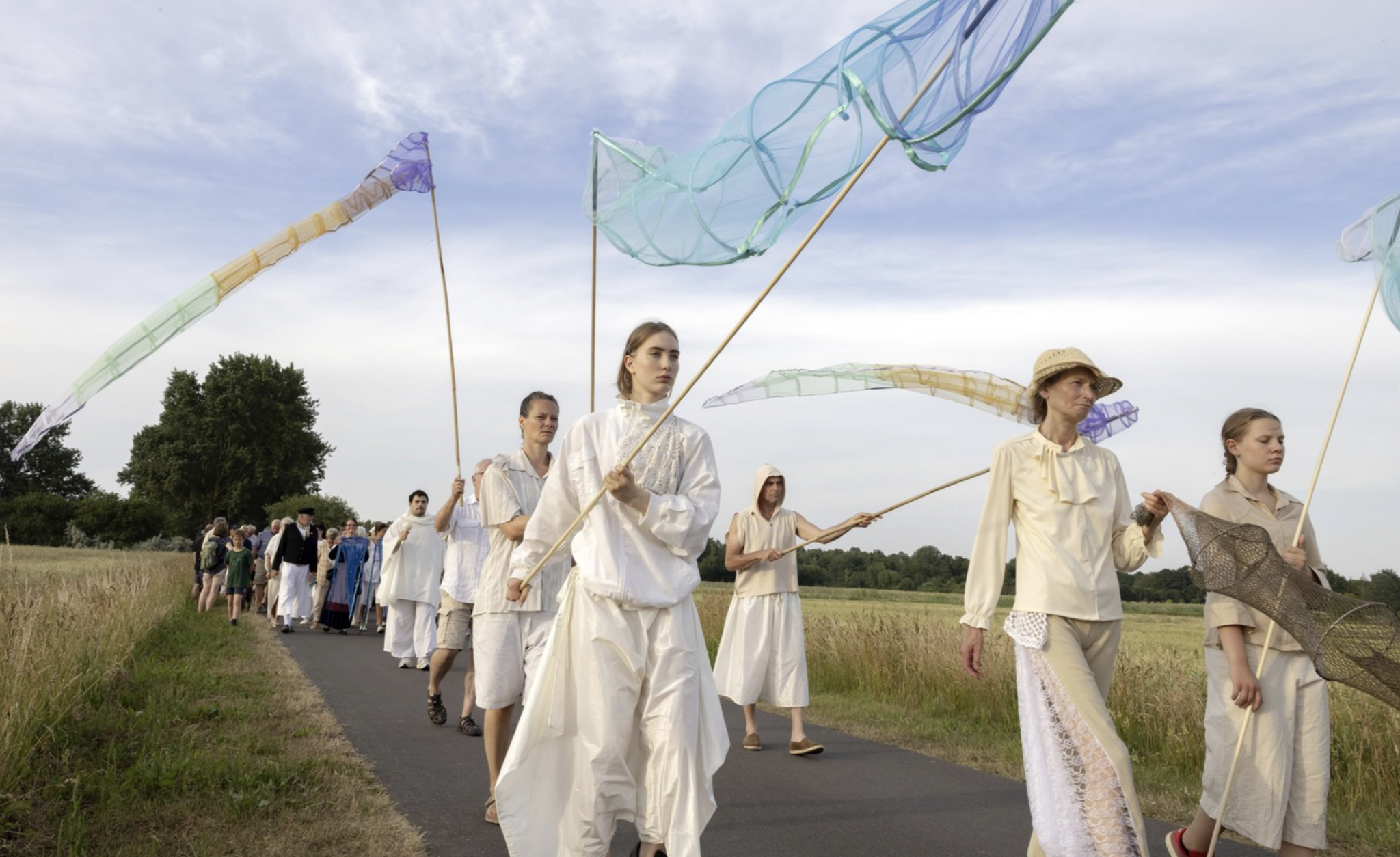
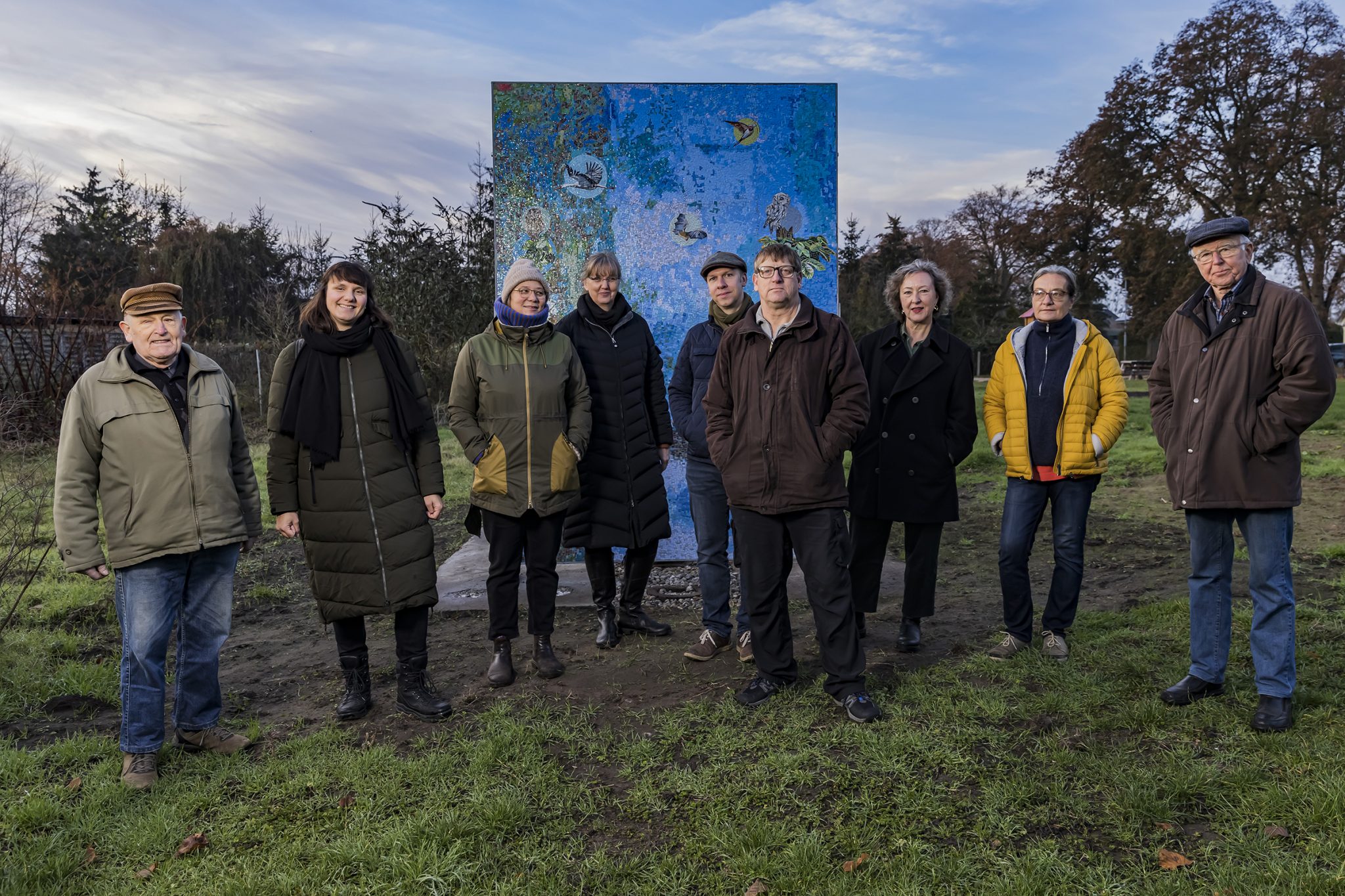
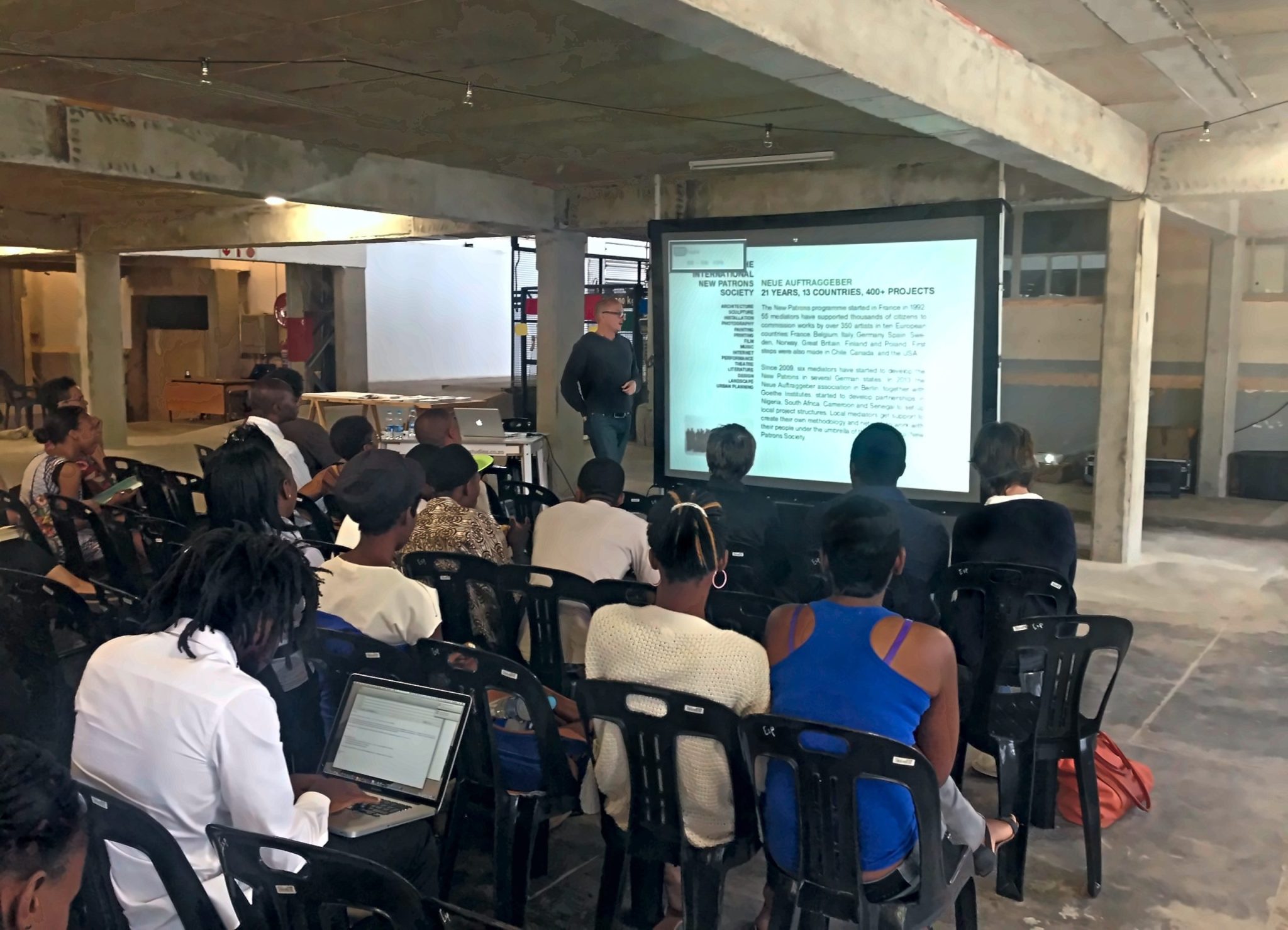
The principles and methodologies of this proposal for documenta 15 are based on the New Patrons program that has developed over 500 projects with more than 50 mediators in 15 countries since 1992, commissioned by multiple thousands of people. The New Patrons are a growing international network of independent mediators who have supported citizens in commissioning ambitious projects of contemporary art, architecture, music and theatre. The New Patrons network was first established in France and has developed into a movement of individual developments that are currently spreading into a growing number of countries within and beyond Europe. This movement has reached Germany in 2007 and has, over time, formalized its structures and methodologies. The German program, Neue Auftraggeber, is currently funded by the Kulturstiftung des Bundes with 2 Million Euros, and by various other public and private funding bodies. But d15 is not meant to be a New Patrons documenta. It shall build on this practice model and its experiences, as well as on others, to conclude a new perspective of its own and to support and inspire future modalities of culture.
in modern times art broke free from its patrons who represented a privileged 1% of the population. yet, after the end of modernity, has the gained artistic autonomy completed a coherent relation to its role in democracy? if democracy does mean the sovereignty of 100% of the population, the privilege of patronage needs to be distributed to any citizen who desires to take this responsibility.
in its times of crises, democratic societies need to reaffirm the very meaning of their previous social revolutions and entitle themselves to change the mode of cultural production and complete their political ambition.
Wrap Up
d15 continues the post-colonial or rather de-colonizing spirits of previous documenta editions. It makes sense of its previous ambitions to decentralize, while it also responds to the aspiration of the institution and of the city of Kassel to run the most important exhibition in the world, one that makes a difference and shapes the discourse far into the future. d15, as described here, is doable under the condition that it takes the step to not only trust few selected experts in shaping this ambition, but also in an expanded team mentality and in the people of the city and in other places in the world. Obviously, the scaling of various elements in this project draft depends on many variables yet unknown. The experience is given though to make it work within different scales.
Regarding myself I may be a less obvious candidate regarding my career and my different roles as a curator, theorist, gallerist, and a now central figure of the international New Patrons network. My proposal is based on fulfilling the necessary role to set up the described methodology and to build the teams and the international collectivity that is the DNA of d15, and to dissolve – as much as possible – in this collectivity. It needs to be mentioned that I would obviously end all my engagements as a gallerist.
progressing societies have always invested in their cultural production. today they must invest in the equal relationship between artists and individuals in their respective environments who together figure out the needs and the forms that will move things forward for them. the methodological outlines are given, now they need the institutional frameworks for them to go ahead.
Alexander Koch
Berlin, September 10, 2018