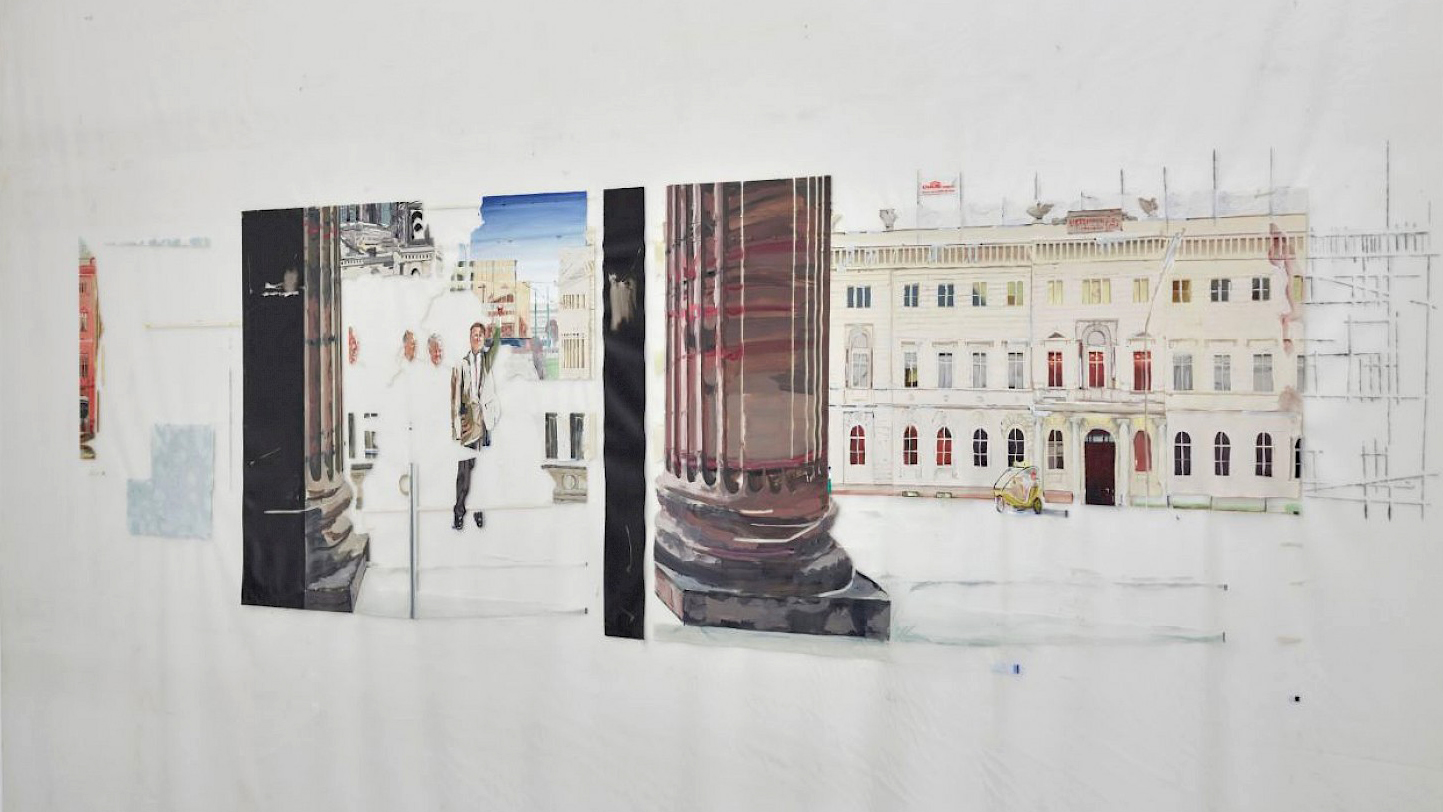
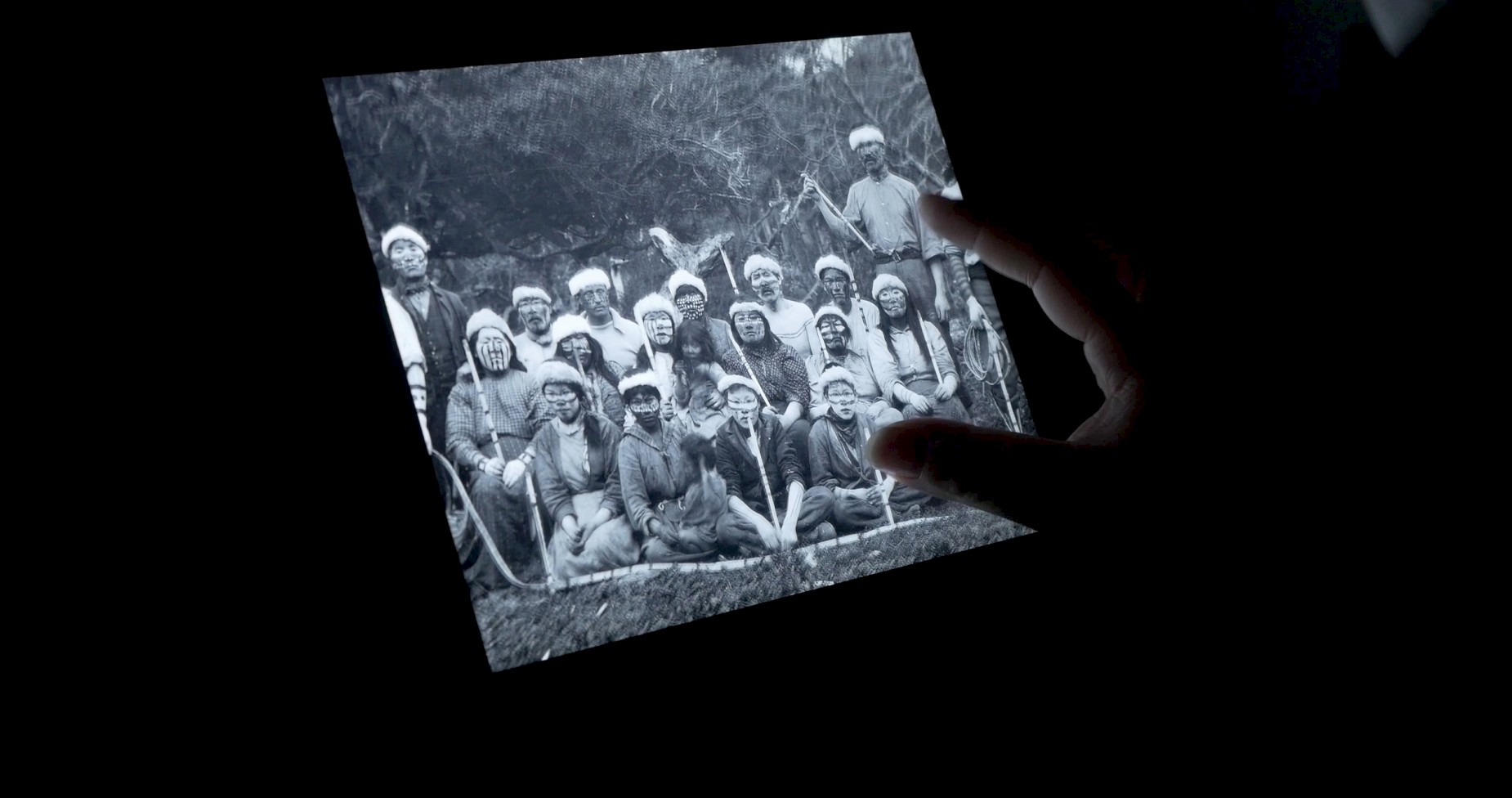
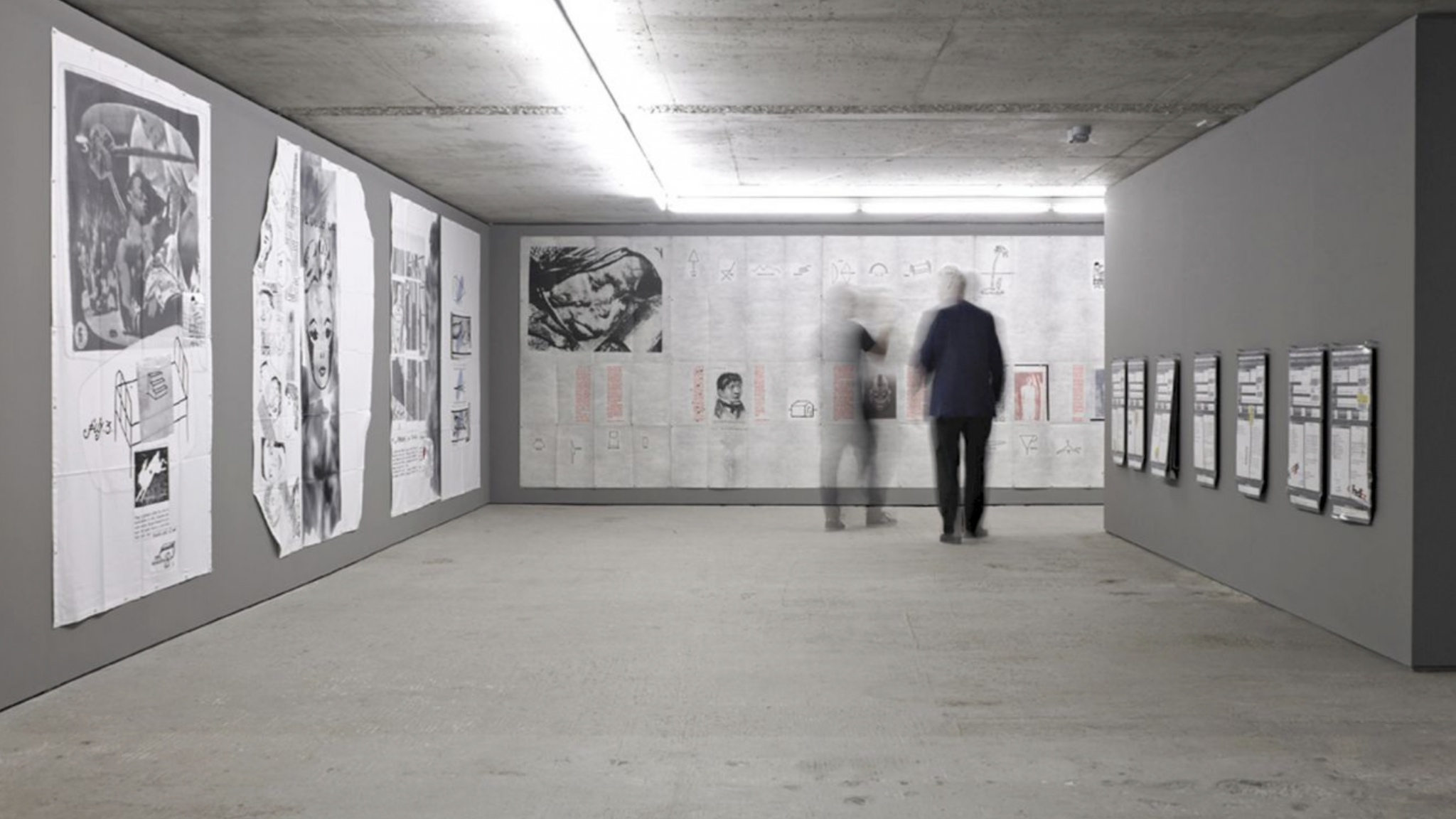
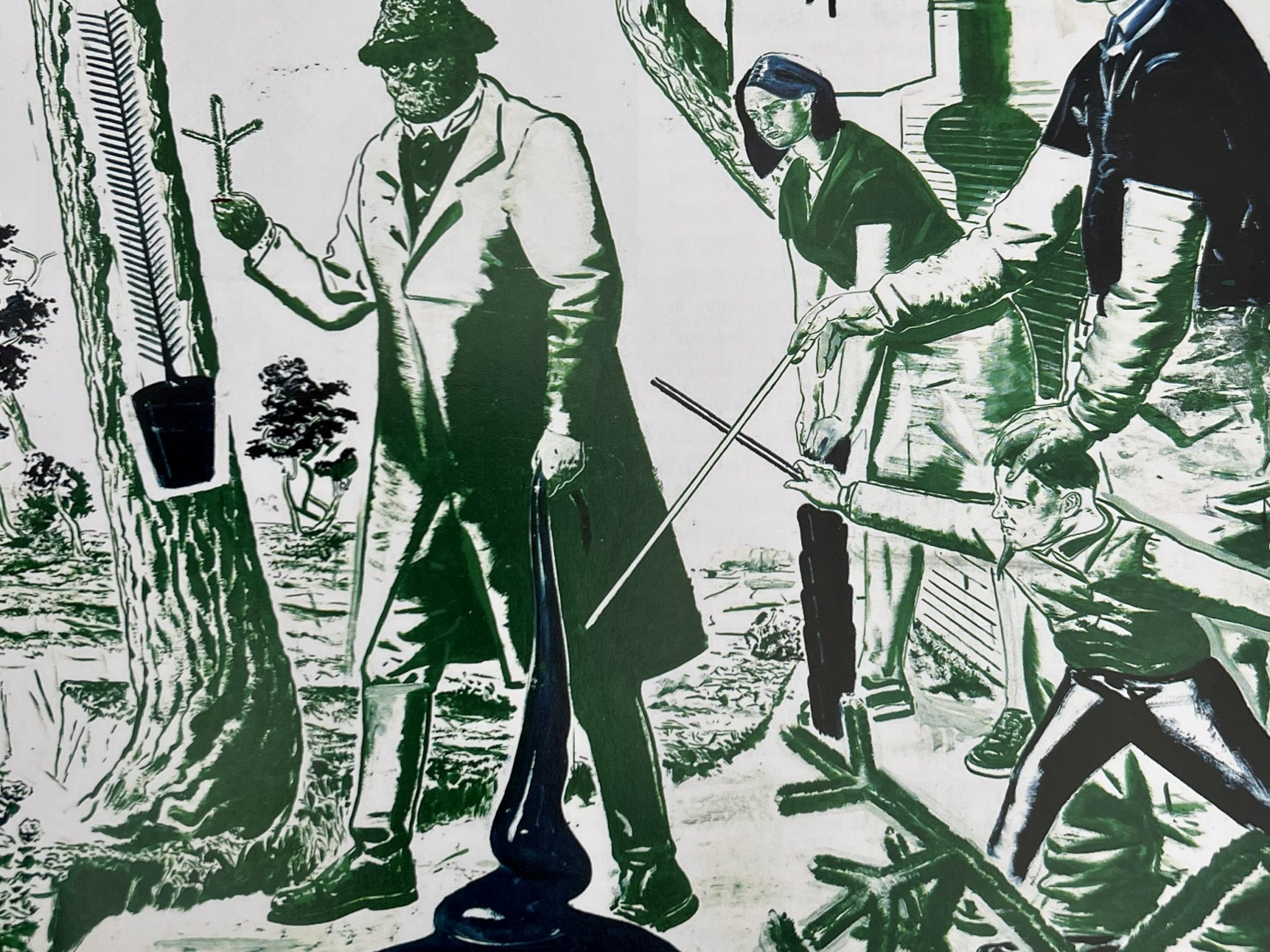
If we seize that moment’s opportunity and read the mail that has come in, a second movement commences: Dittborn mobilizes historic sources and lets their echoes sweep his panels of fabric, to be refracted by their physical substance and semiotic inventory. Time and again, Chile’s past has been subject to confiscations. The Spanish conquistadores, the Pinochet regime, and the post-despotic culture of amnesia effaced recollections and individuals from the varying narrative templates they imposed on the country and its people. Dittborn uses serigraphy to bring back texts and images from newspapers and books of the past decades, recirculating traces of people who were buffeted and bullied by the processes of history, whose identities and stories were struck from the records or who simply disappeared.
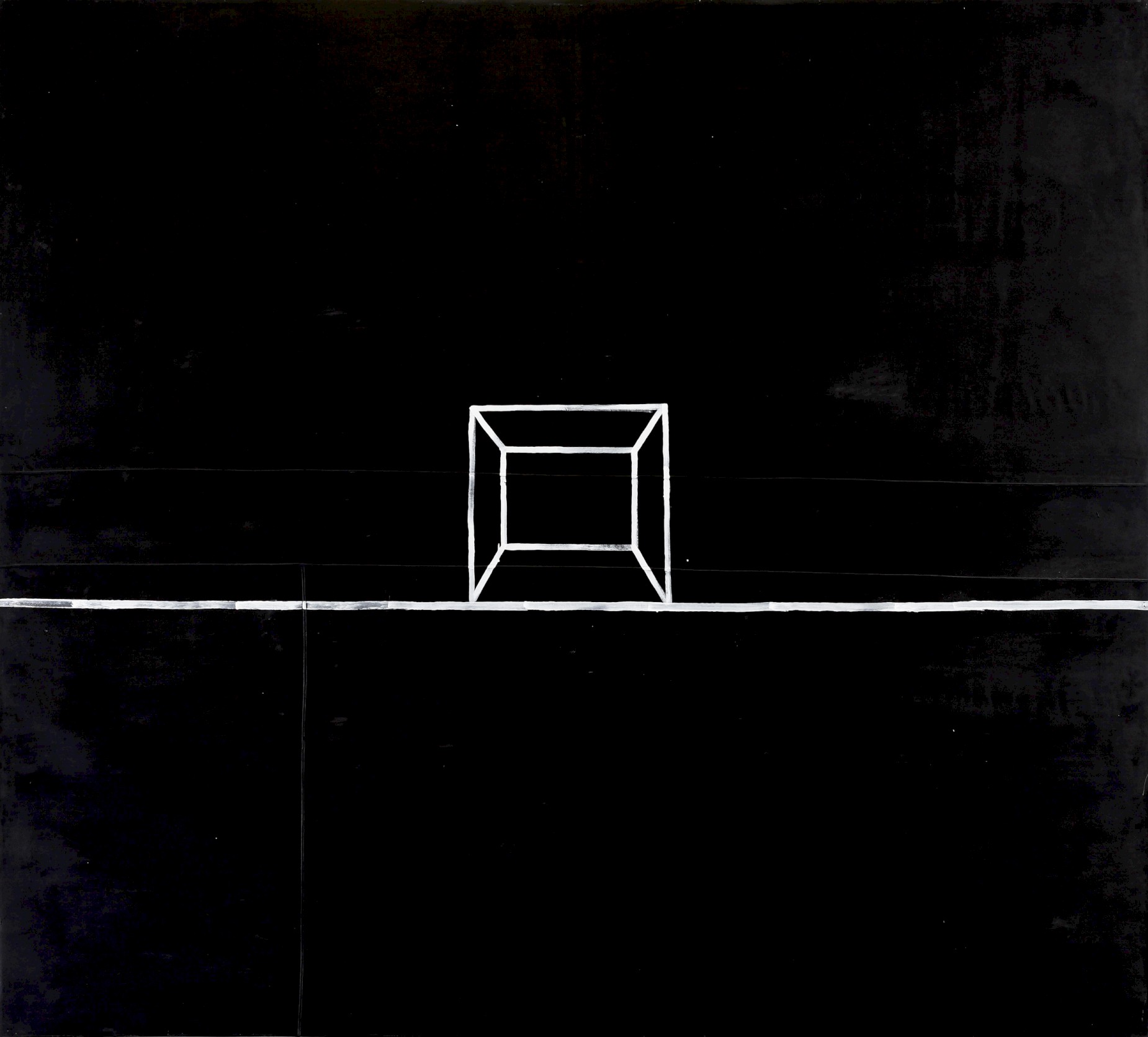
He collects particles of an archive that is not one: faces, bodies and body parts, the accounts of indigenous people, putative criminals, strangulation victims, mummies, inmates of a psychiatric hospital. In the Airmail Paintings, they become part of a post-colonial—or rather, de-colonial and nonlinear—chronicle that is riddled with rifts and gaps. Far from closing these rifts, Dittborn multiplies and enlarges them. Popular caricatures and their humorous abstractions of unfortunate circumstances dismantle the historic contexts and even shift some instances of real tragedy onto the plane of universal buffoonery. Moreover, copies from drawing instruction textbooks cycle through the pictures like a refrain in which a bed, a house, a car look like global archetypes for the localization of a subject in space and time. Only they are empty; the occupants are absent.
The Airmail Paintings envision individual and collective memory as a place that teems with the asynchronous rhythms of concealment and testimony, repression and conjecture, assertion and contradiction, death and coy smiles. These are also the rhythms of Dittborn’s art, which mischievously prevents history from being finalized because it distrusts last words as much as all other fixed states of affairs, including its own. And so these pictures travel onward, perpetuating the fractures, the losses, even the nescience and making them circulate in the world of exhibitions. Conveyed by messengers who knock on the door when an exhibition closes—ours will be no exception—to take away the stories that belong to everyone and no one.
Exhibition text KOW, Sep 13 – Nov 23, 2014